Image3D AI
Image3D AI transforms any 2D image into precise 3D models for printing and gaming in just minutes without 3D skills.
tool Details
Explore More
Alternatives
About Image3D AI
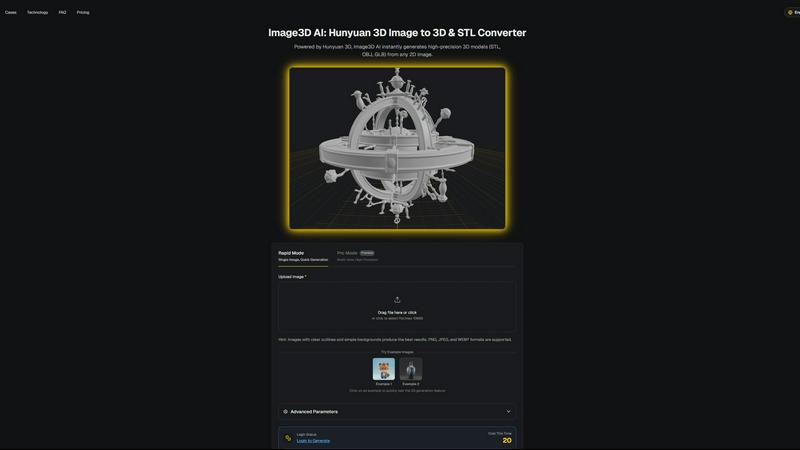
Image3D AI is a cutting-edge software tool designed to revolutionize the way users create 3D models from 2D images. Leveraging Tencent's advanced Hunyuan 3D engine, this platform allows for the swift transformation of standard photographs or multi-view images into detailed, production-ready 3D assets in mere seconds. Its primary audience includes 3D printing enthusiasts, game developers, and digital artists, all of whom benefit from its ability to automate the complex process of 3D modeling. Image3D AI eliminates the need for extensive skill sets typically required in traditional 3D modeling software like Blender, making it accessible to users of all experience levels. With support for multiple export formats such as STL, OBJ, and GLB, the platform is tailored to meet diverse professional and creative demands, from creating watertight meshes for printing to generating textured assets for real-time applications. Image3D AI thus democratizes 3D content creation, allowing users to transform concepts, sketches, logos, and product images into usable 3D models with remarkable ease and efficiency.
Features
Rapid Mode
Rapid Mode offers a streamlined process for generating 3D models from a single image quickly. It is designed for users who need immediate results without the necessity of high precision, making it ideal for simple projects or quick iterations.
Pro Mode
Pro Mode enables users to upload multiple views of an object, enhancing the fidelity of the final 3D model. This premium feature is tailored for those requiring high precision and detail, such as game developers and artists who need intricate textures and geometries.
Advanced Export Options
Image3D AI supports various file formats, including STL for 3D printing, OBJ for traditional 3D editing, and GLB for web applications. This versatility allows users to select the most suitable format based on their specific project requirements, ensuring compatibility with a wide range of applications.
Best Practices Guide
The platform includes a comprehensive Best Practices Guide that provides users with tips to maximize the quality of their 3D conversions. By understanding the importance of image selection, generation modes, and file formats, users can significantly enhance their output quality and efficiency.
Use Cases
Game Development
Image3D AI is a valuable asset for game developers, allowing them to rapidly create 3D assets from concept art. With PBR material support, generated models can be directly imported into popular game engines like Unity or Unreal Engine, streamlining the asset creation process.
E-commerce Applications
For e-commerce platforms, Image3D AI transforms product images into interactive 3D models. This capability enhances online shopping experiences by enabling augmented reality previews or 3D showcases that engage customers and improve conversion rates.
3D Printing Projects
The software serves as a powerful image to STL converter, providing high-precision, print-ready files. This functionality is essential for 3D printing enthusiasts who require accurate and reliable models to bring their designs to life.
Architectural Visualization
Architects can use Image3D AI to quickly generate detailed architectural models from sketches or images. This capability saves significant modeling time and enhances workflow efficiency, allowing architects to focus on creative aspects rather than tedious modeling tasks.
Frequently Asked Questions
What types of images work best for 3D conversion?
High-contrast images with clear outlines and simple backgrounds yield the best results. Blurry, low-light, or occluded images should be avoided to ensure accurate model generation.
How long does it take to generate a 3D model?
Using Rapid Mode, a single image can be processed in approximately 60 seconds, while Pro Mode may take slightly longer due to the complexity involved in handling multiple views for high-precision results.
Can I use Image3D AI for 3D printing?
Yes, Image3D AI is specifically designed to generate STL files that are suitable for 3D printing. Its capabilities include producing high-precision, watertight meshes ideal for various printing requirements.
What is the difference between the different generation modes?
The Normal mode balances quality and speed for general use. Low Poly mode is ideal for game and AR assets with a reduced polygon count, while Geometry mode focuses solely on mesh generation, omitting textures for 3D printing purposes.
Similar to Image3D AI
Cursive Text Generator
Cursive Text Generator is a free browser-based tool that converts regular text into beautiful cursive and stylish Unicode fonts. Users can instantly p
Presentation Intelligence
AI-native presentation and visual content platform that turns prompts, documents, images, videos, and data into polished, shareable decks.

Try This Skill
One-click AI photo stylization for e-commerce & portraits

Magic Eraser
AI-powered photo editor for removing objects, replacing backgrounds, enhancing images, and creating visuals.
Seedance 2.5 Free
Create cinematic AI videos from text or images with Seedance 2.5 Free.