Armanet vs Storydoc
Side-by-side comparison to help you choose the right tool.

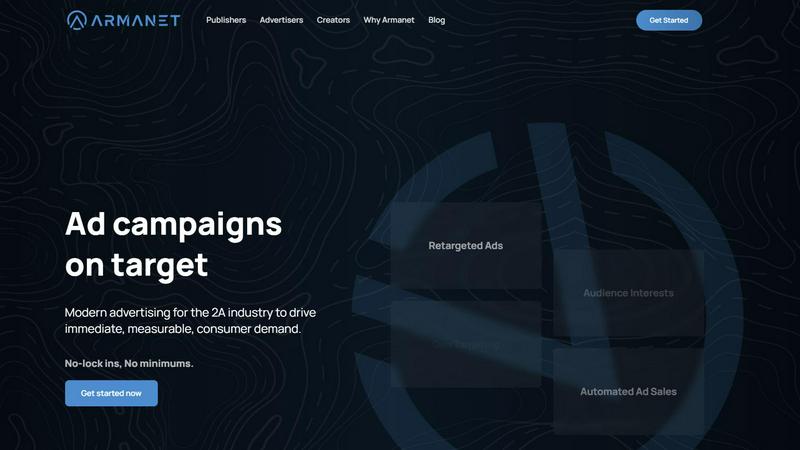
Armanet is a compliant ad platform for the 2A industry, connecting advertisers, publishers, and creators to optimize.
Last updated: March 1, 2026

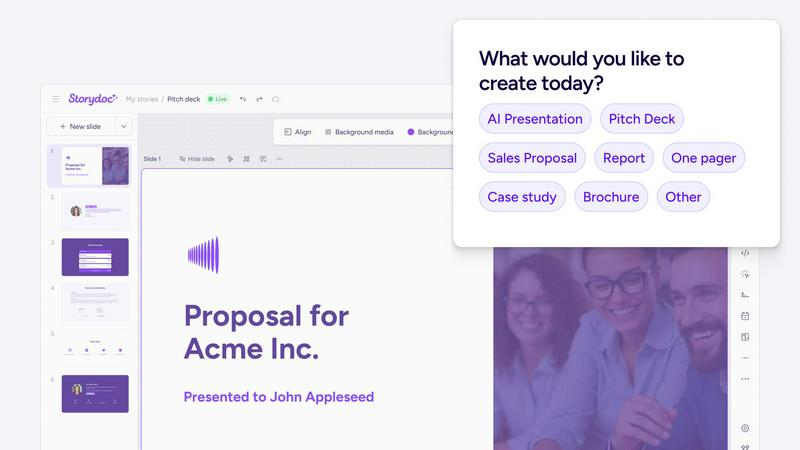
Storydoc is an AI-native platform that automates the creation of interactive business presentations and documents with deep analytics.
Last updated: March 26, 2026
Visual Comparison
Armanet
Storydoc
Feature Comparison
Armanet
Comprehensive Campaign Management
Armanet provides an integrated dashboard for advertisers to create, launch, and manage their campaigns seamlessly. Users can define their target parameters based on specific audiences and inventory, enabling precise ad placements.
Compliant Publisher Connections
The platform facilitates compliant and secure connections between advertisers and publishers within the 2A industry. This ensures that placements are made through channels that respect the unique regulations surrounding these sectors.
Advanced Performance Tracking
Advertisers can track a variety of performance metrics, including impressions, engagement rates, and conversion lifts. This feature allows for data-driven decision-making and optimization to enhance campaign effectiveness.
Real-Time Optimization Tools
Armanet's real-time optimization capabilities empower advertisers to allocate their budgets dynamically. By identifying top-performing ads, users can scale their spending on successful campaigns while maintaining transparency and control over their investments.
Storydoc
AI-Powered Document Creation
Storydoc's AI engine allows users to generate professionally structured and visually coherent business documents in seconds. By inputting basic prompts or objectives, the system automatically produces complete drafts for presentations, one-pagers, or reports, eliminating the need for advanced design or copywriting skills. This feature significantly accelerates the initial creation phase, ensuring a consistent starting point that adheres to brand guidelines and best practices in business communication, allowing professionals to focus on strategic customization rather than foundational formatting.
Interactive & Dynamic Elements
The platform enables the direct embedding of a wide array of interactive components within any document. Users can integrate tools like Calendly scheduling widgets, YouTube videos, clickable buttons, dynamic calls-to-action (CTAs), and embedded data capture forms. This functionality transforms linear documents into non-linear, engaging experiences where recipients can take immediate action—such as booking a meeting or submitting information—without leaving the document, thereby reducing friction and increasing conversion rates directly from the collateral itself.
Personalization & Automation at Scale
Storydoc facilitates large-scale personalization through smart workflows and integration capabilities. By connecting to CRM systems and data sources via Zapier and Make, users can pull live customer data (e.g., company name, industry, past interactions) to populate dynamic fields automatically. This allows teams to create a single master document template and generate hundreds of personalized versions for different leads or deal stages, ensuring relevant messaging while maintaining operational efficiency and a consistent brand voice across all communications.
Centralized Management & Deep Analytics
The platform provides a unified hub for all business documents, making them searchable, easily editable, and consistently on-brand. Coupled with this is a robust analytics suite that tracks granular engagement metrics, including document opens, time spent on each section, scroll depth, and clicks on interactive elements. These insights reveal what content resonates with audiences, what gets skipped, and how leads progress through the material, enabling data-driven optimizations to document strategy and providing sales teams with actionable intelligence on prospect interest.
Use Cases
Armanet
Targeted Advertising for Firearms Businesses
Firearms companies can utilize Armanet to launch targeted advertising campaigns that reach their core audience without facing the restrictions of mainstream platforms, ensuring compliance and effectiveness.
Outdoor Recreation Marketing
Brands in the outdoor recreation sector can leverage Armanet's tools to connect with enthusiasts and hobbyists. The platform allows for targeted ads that resonate with specific interests and activities, driving engagement and conversions.
Conservative Media Promotion
Conservative media outlets can benefit from Armanet's advertising solutions to promote their content to audiences that share similar values. The platform's uncensored environment fosters authentic engagement and community building.
Creator Partnerships for Brand Awareness
Content creators in the 2A space can partner with brands through Armanet to deliver sponsored content. This collaboration not only monetizes their platforms but also introduces brands to engaged audiences, enhancing brand awareness.
Storydoc
Sales Proposal & Pitch Deck Creation
Sales teams utilize Storydoc to create compelling, interactive pitch decks and proposals that stand out from static PDFs. By embedding demo videos, personalized ROI calculators, and instant meeting scheduling links, sales representatives can deliver tailored narratives that address specific prospect pain points. The deep analytics then provide visibility into which parts of the proposal the client engaged with most, enabling informed follow-ups and helping to accelerate the sales cycle and improve win rates.
Marketing & Lead Generation Collateral
Marketing departments leverage the platform to produce high-conversion lead generation assets such as interactive whitepapers, one-pagers, and case studies. Embedding forms directly within these documents allows for seamless lead capture without redirecting users to external landing pages. The ability to personalize content based on lead source or segment increases relevance, while engagement tracking helps marketing teams identify the most effective content for moving leads through the funnel.
Investor & Board Reporting
Executives and finance teams use Storydoc to create dynamic quarterly business reviews and investor reports. Instead of distributing dense, static slides, they can build interactive reports with embedded data visualizations, video commentary from leadership, and expandable sections for detailed financials. This enhances comprehension and engagement during critical presentations, ensuring key stakeholders can easily navigate to the information most pertinent to them.
Client Onboarding & Success Materials
Customer success and account management teams implement Storydoc to develop interactive onboarding guides, training manuals, and business review documents. Embedding tutorial videos, feedback forms, and links to support resources directly within the guide creates a more engaging and effective onboarding experience. This interactive approach improves product adoption, client satisfaction, and provides teams with data on which sections clients find most useful or confusing.
Overview
About Armanet
Armanet is a cutting-edge, omnichannel advertising platform specifically designed to cater to industries and audiences that experience political gatekeeping and censorship on mainstream ad networks such as Google and Meta. It serves as a full-stack solution encompassing programmatic display, Connected TV (CTV), video advertising, dynamic product ads, email marketing, and a creator marketplace. By leveraging a dual-sided model, Armanet effectively connects advertisers seeking scalable and measurable reach with publishers looking for fair monetization opportunities. The platform's core infrastructure addresses the crucial challenge of linking legal businesses in niche sectors, including firearms, outdoor recreation, and conservative media, with their target audiences at scale. With advanced performance-tracking tools, real-time optimization capabilities, and detailed attribution reporting, Armanet provides the robust feature set of mainstream platforms in an environment free from censorship and brand risk. The network boasts over 400 million monthly impressions and reaches 50 million unique users, establishing itself as the largest and fastest-growing advertising solution tailored for these targeted verticals.
About Storydoc
Storydoc is an AI-native business documents platform engineered to transform static presentations, proposals, pitch decks, and reports into dynamic, interactive storytelling experiences. It serves as a comprehensive alternative to traditional file formats like PDFs and PowerPoint slides, specifically built to capture and retain the attention of modern decision-makers. The platform is designed for sales, marketing, and business development professionals, from solo entrepreneurs to large enterprise teams, who need to create persuasive, on-brand collateral efficiently. Its core value proposition lies in centralizing the entire document lifecycle—creation, personalization, distribution, and analytics—into a single, scalable workflow. By enabling the embedding of interactive elements such as calendars, videos, forms, and live data, Storydoc converts passive document consumption into actionable engagement, directly linking content to measurable business outcomes like increased meeting bookings and faster deal cycles. The platform prioritizes enterprise-grade security with ISO 27001 compliance, GDPR adherence, and secure SSO authentication, ensuring that data integrity and privacy are maintained throughout the user experience.
Frequently Asked Questions
Armanet FAQ
How does Armanet ensure compliance with industry regulations?
Armanet has developed a compliant ecosystem that adheres to industry regulations for the 2A sector, ensuring that all ad placements meet legal standards while connecting advertisers and publishers effectively.
What types of advertising formats can I use on Armanet?
Armanet supports a variety of advertising formats, including programmatic display ads, video ads, dynamic product ads, Connected TV (CTV) ads, and email marketing, allowing advertisers to choose the best format for their campaign objectives.
Can I track the effectiveness of my ad campaigns?
Yes, Armanet offers advanced performance tracking tools that enable advertisers to measure impressions, engagement, conversion rates, and more, providing insights that help optimize campaign performance.
How does Armanet support publishers?
Armanet empowers publishers by providing compliant ad placements and facilitating direct payouts, allowing them to monetize their audiences effectively without compromising their brand integrity.
Storydoc FAQ
What types of documents can I create with Storydoc?
Storydoc is designed for a wide range of business documents. Primary document types include sales pitch decks, business proposals, quarterly and annual reports, investor updates, one-pager sales sheets, case studies, and interactive whitepapers. The AI creation tool and customizable templates are structured to support these specific formats, ensuring each document type follows best-practice layouts and storytelling flows for its intended purpose.
How does Storydoc ensure the security of my data?
Storydoc is built with enterprise-grade security protocols. The platform is ISO 27001 certified, adhering to internationally recognized standards for information security management. It is fully compliant with GDPR for data protection and privacy. Furthermore, it offers secure Single Sign-On (SSO) authentication for team access, and all data transmission is encrypted. These measures ensure that both your company's internal data and the information shared with clients through documents are handled with the highest security standards.
Can I integrate Storydoc with my existing tech stack?
Yes, Storydoc offers extensive integration capabilities primarily through native connectors to automation platforms like Zapier and Make. These integrations allow you to connect Storydoc to hundreds of other applications, including popular CRM systems like Salesforce and HubSpot, marketing automation tools, data warehouses, and calendar applications. This enables automated workflows for pulling live data into documents, triggering document creation based on deal stages, or logging engagement analytics back to your CRM.
How does the interactive element tracking and analytics work?
Storydoc embeds tracking code into every document you create and share. When a recipient opens the document, the platform begins collecting anonymized engagement data. This includes metrics such as total view time, scroll depth (how far down the document they read), and specific interactions like clicks on embedded videos, buttons, or forms. This data is presented in a dashboard, showing you exactly how each contact engaged with your content, providing valuable insights for sales follow-up and content optimization.
Alternatives
Armanet Alternatives
Armanet is a censorship-resistant advertising platform designed for programmatic omnichannel campaigns, primarily targeting sectors that face political gatekeeping, such as outdoor recreation, firearms, and conservative media. Its comprehensive features allow advertisers to connect with audiences through various channels, including display ads, video, and email marketing, while ensuring a brand-safe environment free from mainstream censorship. Users often seek alternatives to Armanet for various reasons, including pricing, specific feature sets, or the need for integration with existing platforms. When choosing an alternative, it is essential to consider factors such as the platform's ability to serve niche markets, the depth of targeting and optimization tools, and the overall user experience in managing campaigns across multiple channels.
Storydoc Alternatives
Storydoc is an AI-powered platform in the interactive content and document automation category. It transforms static business presentations, proposals, and pitch decks into dynamic, interactive experiences designed to engage decision-makers and drive measurable actions. Users may seek alternatives for various strategic reasons. Common drivers include budget constraints, the need for different feature sets like advanced design control or native CRM integrations, or a requirement for a platform that aligns with a specific existing tech stack and workflow philosophy. When evaluating alternatives, key considerations should include the core automation and AI capabilities, the depth of interactivity and embeddable elements offered, the sophistication of personalization and data-merge functionalities, and the robustness of engagement analytics. Enterprise-grade security certifications and the flexibility of the platform's API and connector ecosystem are also critical technical specifications.