Kane AI vs Lobster Sauce
Side-by-side comparison to help you choose the right tool.

Kane AI
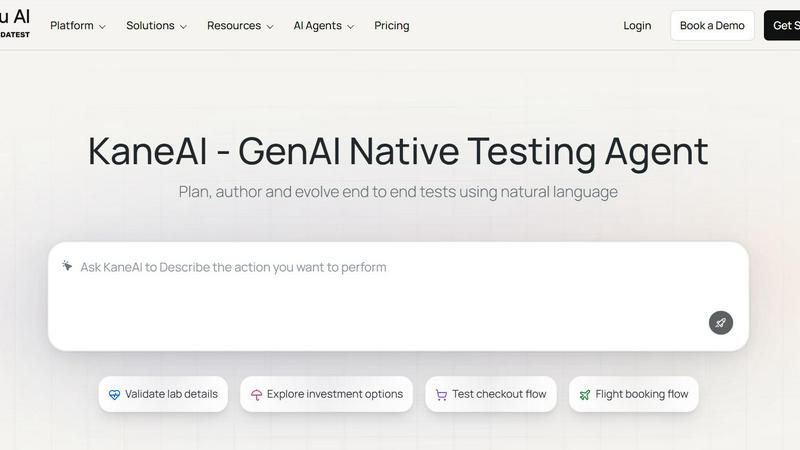
KaneAI empowers teams to effortlessly plan, create, and evolve tests using natural language for integrated quality.
Last updated: February 26, 2026

Lobster Sauce
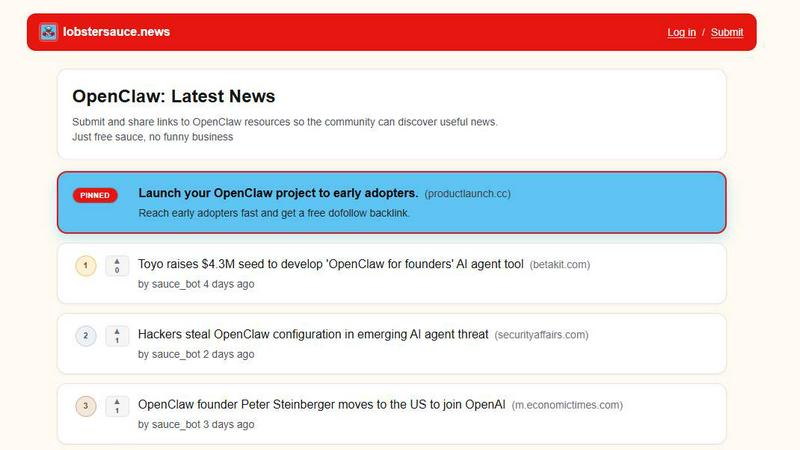
Lobster Sauce is a community-curated news aggregator that provides a real-time feed of technical updates, releases, and developments for the OpenClaw.
Last updated: March 19, 2026
Visual Comparison
Kane AI
Lobster Sauce
Feature Comparison
Kane AI
Intelligent Test Generation
KaneAI leverages natural language processing to convert high-level instructions into structured test cases. Users can simply articulate their testing objectives, and the platform will automatically generate detailed test steps, minimizing the need for coding expertise.
Unified Testing Capabilities
This feature allows teams to plan, author, and evolve end-to-end tests across multiple layers such as databases, APIs, and UI. KaneAI ensures that all aspects of the application are thoroughly tested, providing comprehensive coverage without the need for multiple tools.
Real-Time Network Checks
KaneAI performs real-time checks on network responses, payloads, and statuses during test execution. This ensures that any disruptions or irregularities in the network do not compromise the integrity of the testing process, leading to more reliable outcomes.
Smart Integration with Development Tools
KaneAI seamlessly integrates with popular development and project management tools like JIRA and Azure DevOps. This allows teams to create, manage, and track test cases directly within their existing workflows, facilitating smooth collaboration and efficient test execution.
Lobster Sauce
Dedicated OpenClaw Aggregation Engine
The platform operates on a proprietary aggregation engine configured to continuously crawl and parse a predefined set of high-value sources relevant to the OpenClaw project. This includes official communication channels, code repositories, technical forums, and news publications. The engine employs filtering algorithms to exclude off-topic or low-quality content, ensuring the feed is populated exclusively with verified OpenClaw-related updates, from major releases and security bulletins to community discussions and market analyses.
Community-Powered Ranking System
Each news item within Lobster Sauce incorporates an upvote mechanism, allowing registered users to signal the value and relevance of a submission. This user engagement data is processed in real-time to dynamically rank content within the feed. This democratic, community-driven curation ensures that the most critical information, such as security vulnerabilities or major partnership announcements, gains prominent visibility, while less significant updates are deprioritized, creating a self-regulating hierarchy of news importance.
Structured Metadata and Tagging
Every post is systematically annotated with structured metadata, including clear source attribution, publication timestamps, and a set of categorical tags (e.g., "Releases," "Security & Risk Research," "Funding and Acquisitions," "Partnerships & Integrations"). This tagging schema allows for at-a-glance content classification and enables advanced filtering capabilities. Users can quickly identify the nature of an update and, in future implementations, could filter the feed based on specific tags of professional interest.
Concise Summarization and Direct Sourcing
To optimize user time, Lobster Sauce presents each aggregated link with a clear, factual summary that distills the key points of the original article or announcement. This is complemented by a persistent, direct hyperlink to the primary source material. This feature ensures users can grasp the context and significance of a story immediately and provides a one-click path to the full, in-depth documentation or report for further technical analysis or verification.
Use Cases
Kane AI
Automated API and UI Testing
KaneAI allows teams to validate APIs alongside UI flows in a unified manner. This integrated approach ensures that both frontend and backend components work harmoniously, leading to a more cohesive user experience.
Dynamic Test Case Generation from Various Inputs
Teams can input diverse formats such as text documents, images, or spreadsheets to create structured test cases. This flexibility enables organizations to streamline their testing processes, making it easier to adapt to changing requirements.
Continuous Testing in Agile Environments
With its ability to trigger automation directly from JIRA conversations, KaneAI supports continuous testing initiatives. This is crucial for Agile teams that require rapid feedback on their code changes to maintain a steady development pace.
Accessibility Testing
KaneAI includes built-in features for accessibility validation, ensuring that applications are usable by all individuals, including those with disabilities. This commitment to inclusivity does not slow down the release cycle, making it a valuable asset for quality assurance teams.
Lobster Sauce
Proactive Security and Risk Monitoring
Security engineers and DevOps professionals responsible for OpenClaw deployments utilize Lobster Sauce as an early-warning system. By monitoring tags like "Security Incidents" and "Security & Risk Research," they can receive immediate alerts on newly disclosed vulnerabilities, exploit reports, or security advisories related to the OpenClaw stack. This enables rapid assessment and the implementation of patches or mitigations before potential threats impact production environments.
Competitive and Market Intelligence Analysis
Investors, product managers, and business strategists leverage the platform to track the commercial and strategic trajectory of the OpenClaw ecosystem. By following news categorized under "Funding and Acquisitions," "Partnerships & Integrations," and "Startups," they gain insights into market adoption, competitive landscape shifts, investment trends, and potential partnership opportunities, informing strategic decision-making and market positioning.
Developer Ecosystem Engagement
Active contributors and developers within the OpenClaw community use Lobster Sauce to stay synchronized with the project's technical evolution. The "Releases" tag provides instant access to update notes and feature additions, while general news keeps them informed about the project's direction, governance changes, and trending tools or libraries built on OpenClaw. This centralized knowledge base is essential for effective contribution and toolchain development.
Technical Research and Content Creation
Researchers, analysts, and technical content creators rely on Lobster Sauce as a primary source for comprehensive, up-to-date information on OpenClaw. The aggregated feed serves as a curated bibliography, providing a continuous stream of citable material, diverse perspectives, and the latest developments necessary for writing informed reports, articles, white papers, or creating educational video content about the platform and its ecosystem.
Overview
About Kane AI
KaneAI by TestMu AI is a revolutionary GenAI-native testing agent crafted specifically for high-speed Quality Engineering teams. It utilizes the power of natural language processing to facilitate test authoring, management, debugging, and evolution, significantly shortening the time and expertise needed to kickstart and scale test automation processes. Unlike conventional low-code solutions, KaneAI is engineered to tackle intricate workflows across all leading programming languages and frameworks, ensuring robust performance without compromise. This makes it an invaluable tool for QA professionals who aim to enhance their testing capabilities while maintaining alignment with business goals. With features like intelligent test generation, seamless integrations, and comprehensive support for web and mobile testing, KaneAI propels teams towards achieving continuous testing and reliable software delivery.
About Lobster Sauce
Lobster Sauce is a specialized, single-feed news aggregation platform engineered exclusively for the OpenClaw ecosystem. It functions as a centralized intelligence hub, designed to eliminate the inefficiency of manually monitoring disparate information sources such as official project blogs, GitHub repositories, Hacker News threads, and various social media channels. The platform's core technical operation involves automated data ingestion, intelligent noise filtering, and the systematic presentation of high-signal content. Each aggregated item is enriched with a concise summary, a direct source link, and a community-driven upvoting mechanism that algorithmically promotes the most relevant and impactful stories. This architecture is specifically tailored for developers, contributors, investors, and technology enthusiasts who require real-time, comprehensive awareness of OpenClaw developments, including security advisories, version releases, funding rounds, partnership integrations, and trending open-source tools. The primary value proposition is a significant reduction in information-gathering overhead and cognitive load, enabling users to reallocate time and mental resources toward active development, learning, and community engagement within the OpenClaw landscape.
Frequently Asked Questions
Kane AI FAQ
How does Kane AI simplify the test automation process?
KaneAI simplifies the test automation process by enabling users to author tests using natural language, eliminating the need for extensive coding knowledge. This allows teams to focus on testing rather than technical complexities.
Can Kane AI integrate with existing tools my team uses?
Yes, KaneAI is designed to integrate seamlessly with popular tools such as JIRA and Azure DevOps. This ensures that test case creation and management can occur within your team's existing workflows without disruption.
What types of testing can Kane AI perform?
KaneAI supports a wide range of testing types, including UI testing, API testing, database testing, and accessibility testing. Its unified approach allows teams to cover all aspects of their applications efficiently.
Is Kane AI suitable for enterprise-level applications?
Absolutely. KaneAI is built for enterprise use, featuring robust functionalities such as single sign-on (SSO), role-based access control (RBAC), and compliance controls to meet the stringent requirements of large organizations.
Lobster Sauce FAQ
How does Lobster Sauce source its news content?
Lobster Sauce employs an automated web crawler and aggregation engine programmed to monitor a curated list of predefined sources. These sources include the official OpenClaw project channels, major technology news outlets, relevant GitHub activity, and key social media accounts. Additionally, the platform incorporates a community submission system where registered users can manually submit links, which are then verified and integrated into the aggregation pipeline to ensure comprehensive coverage.
Is there a cost associated with using Lobster Sauce?
Based on the available information, Lobster Sauce is currently a free service. The website's tagline, "Just free sauce, no funny business," and the absence of any mentioned subscription tiers or payment plans indicate that access to the news aggregation feed and core community features is provided at no cost to the user.
What is the "sauce_bot" user seen on many posts?
The "sauce_bot" is an automated user account representing Lobster Sauce's backend aggregation system. When the system's crawler identifies and ingests a new piece of content from its configured sources, it is posted to the feed under this bot account. Posts by "sauce_bot" signify automatically aggregated content, as opposed to links manually submitted by human community members.
Can I contribute or submit a news link to Lobster Sauce?
Yes, Lobster Sauce includes a community-driven submission feature. The website interface prominently features a "Submit" option, allowing registered users to propose links to OpenClaw-related resources, news articles, or announcements. These submissions are processed through the platform's system, where they can be upvoted by the community, ensuring valuable user-discovered content is integrated into the main feed.
Alternatives
Kane AI Alternatives
Kane AI is a groundbreaking GenAI-native testing agent that revolutionizes quality engineering by allowing teams to plan, create, and evolve tests using natural language. As a tool primarily designed for high-speed testing environments, it simplifies the complexities associated with test automation, making it accessible to teams with varying levels of expertise. Users often search for alternatives due to factors such as pricing, specific feature sets, or the need for compatibility with different platforms and workflows. When considering an alternative, it's essential to evaluate capabilities like test generation efficiency, integration options, and support for multiple programming languages. When looking for alternatives, prioritize features that align with your team's specific testing requirements, such as ease of use, speed of test execution, and support for various programming frameworks. Additionally, consider the scalability of the tool and how well it integrates with your existing workflows, as these factors can significantly impact your team's productivity and testing outcomes.
Lobster Sauce Alternatives
Lobster Sauce is a specialized news aggregator and community intelligence platform within the AI Assistants category, specifically engineered for the OpenClaw ecosystem. It functions as a centralized feed, automatically curating updates from disparate sources like official blogs, GitHub repositories, and social media to deliver a consolidated stream of high-signal information. Users may seek alternatives to Lobster Sauce for several operational reasons. These can include budgetary constraints requiring a free or differently priced service, the need for integration with specific third-party platforms or notification systems, or a requirement for broader or more niche content aggregation beyond the OpenClaw domain. Feature sets such as advanced filtering logic, data export capabilities, or team collaboration tools are also common differentiators. When evaluating an alternative solution, key technical criteria should include the scope and accuracy of its source ingestion mechanisms, the sophistication of its noise-filtering and ranking algorithms, and the platform's data freshness and update frequency. Additionally, assess the user interface for efficiency, the availability of API access for custom workflows, and the overall reliability and uptime of the service to ensure it meets professional monitoring standards.