
Afterly Plan vs Phishly
Side-by-side comparison to help you choose the right tool.

Afterly Plan
Afterly Plan provides step-by-step digital guidance for managing probate and estate duties during difficult times.
Last updated: February 28, 2026

Phishly
Phishly is an AI-powered Chrome extension that instantly detects phishing emails in Gmail.
Visual Comparison
Afterly Plan

Phishly
Feature Comparison
Afterly Plan
Digital Step-by-Step Guidance
Afterly Plan provides users with a comprehensive digital guide that walks them through the various stages of probate, estate settlement, and executor duties. This feature offers clarity and organization, helping families to understand each task that needs to be addressed without feeling overwhelmed.
Interactive Checklists
The platform features interactive checklists that allow users to track their progress through essential tasks. These checklists are designed to simplify complex responsibilities, ensuring that no critical steps are overlooked during the grieving process.
Document Templates and Resources
Afterly Plan offers a range of document templates and resources that aid in locating important wills, deeds, and vital records. This feature helps users efficiently gather necessary documentation, making the often chaotic process of managing affairs after a loss more structured.
Expert Support and Advice
Users of Afterly Plan have access to expert support from estate professionals who provide trustworthy guidance throughout the entire process. This feature ensures that families are not only informed but also supported as they navigate emotional and legal challenges.
Phishly
AI-Powered Multi-Indicator Detection Engine
The platform's core analytical capability is driven by an advanced AI engine that scans for a comprehensive array of phishing signatures. This includes technical indicators like domain spoofing, mismatched sender addresses, and suspicious URL structures. Furthermore, it performs semantic analysis to detect social engineering tactics such as urgent or threatening language, impersonation of authority figures, and offers that seem too good to be true. The model is continuously updated to recognize emerging phishing patterns and zero-day social engineering campaigns, providing a dynamic defense that improves over time.
Seamless Gmail Integration via Chrome Extension
Phishly offers a native Chrome extension that adds a dedicated "Scan with Phishly" button directly within the Gmail web interface. This feature allows for one-click analysis of any open email thread without requiring the user to copy, paste, or leave their inbox. The extension maintains a minimal footprint, operating only upon explicit user activation. This integration streamlines the security check into the user's existing email workflow, eliminating friction and encouraging regular use for suspicious messages.
Privacy-First, On-Demand Scanning Protocol
A foundational feature of Phishly is its strict privacy-centric operational model. Unlike security suites that scan all incoming mail automatically, Phishly employs an explicit consent framework. The AI algorithms are activated solely when a user manually initiates a scan via the extension or web tool. This ensures complete user control over data sharing, with no passive monitoring, email storage, or analysis of correspondence beyond the single submitted message. This design addresses critical privacy concerns for professionals handling sensitive communications.
Clear, Actionable Risk Assessment Reports
Upon analysis, Phishly generates a detailed diagnostic report that transcends a simple pass/fail alert. Each scan result is categorized into a clear risk tier: Safe, Medium Risk, or High Risk. The report elaborates with specific, plain-language explanations for the verdict, pinpointing exact issues found, such as "The sender's domain 'paypa1-security.com' is a homoglyph attack impersonating 'paypal.com'" or "The message uses high-pressure language demanding immediate action." This educational component helps users understand the threat and learn to identify similar attempts in the future.
Use Cases
Afterly Plan
Funeral and Memorial Planning
Afterly Plan can be used to assist families in organizing funeral and memorial services for their loved ones. The platform provides templates and checklists to ensure that all necessary arrangements are made to honor the deceased appropriately.
Estate Settlement Management
Families can utilize Afterly Plan to manage the estate settlement process effectively. With step-by-step guidance, they can address various tasks like asset management, bill payments, and communication with beneficiaries, ensuring a smoother transition.
Executor Duties Fulfillment
Those appointed as executors can rely on Afterly Plan to fulfill their duties with confidence. The platform outlines the responsibilities and provides essential tools, making it easier for executors to navigate legal obligations and personal tasks.
Emotional Support During Grief
Afterly Plan serves as a source of emotional support during a challenging time. By organizing tasks and providing clarity, the platform helps users focus on their healing journey, making the grieving process a bit more manageable.
Phishly
Verification of Financial and Invoice Emails
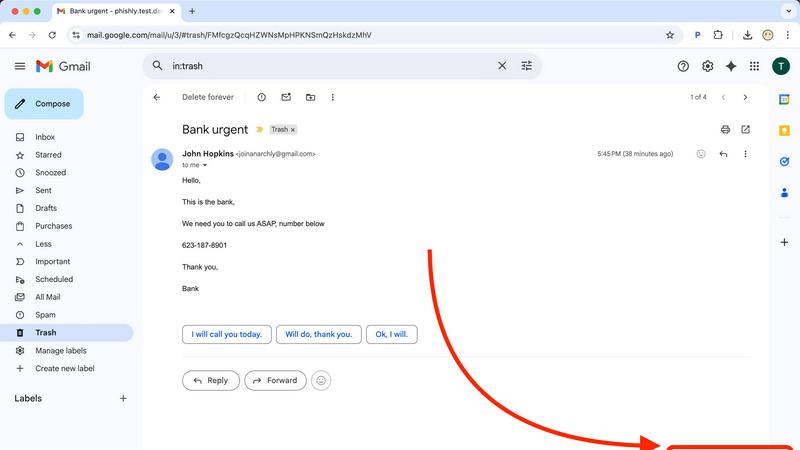
Users frequently receive emails purporting to be from banks, payment processors like PayPal, or vendors with urgent invoice updates. These are prime targets for phishing. With Phishly, a user can instantly scan such an email to verify the legitimacy of the sender's domain, check for subtle misspellings in links, and assess whether the tone matches a genuine financial alert. This use case is critical for preventing business email compromise (BEC) and direct financial fraud.
Screening Potential Credential Theft Attempts
A common phishing vector involves fake login pages for services like Microsoft 365, Google, Dropbox, or social media. Phishly analyzes emails containing login prompts or password reset requests. It examines the embedded links for authenticity and checks if the email's headers and content align with the official communication patterns of the service being impersonated, helping users avoid surrendering their credentials to malicious actors.
Analyzing Unsolicited Job Offers or Prize Notifications
Suspicious job offers, grant opportunities, or prize win notifications are often used as lures. Individuals, especially freelancers and job seekers, can use Phishly to scrutinize these emails. The AI detects hallmarks of such scams, including poorly written content, requests for personal information upfront, and links to unverified domains, protecting users from advance-fee fraud and identity theft schemes.
Educational Tool for Security Awareness Training
For small business owners or team leads, Phishly serves as a practical, real-world training tool. When a suspicious email is received, teams can use the web tool to analyze it together. The detailed breakdown provided in the risk report educates employees on the specific tactics used by phishers, such as sender spoofing or deceptive link text, thereby building a more security-conscious organizational culture through hands-on experience.
Overview
About Afterly Plan
Afterly Plan is a compassionate and structured platform designed to assist families in navigating the complex and emotionally taxing responsibilities that arise after the death of a loved one. It serves as a digital guide, providing step-by-step instructions for managing essential tasks such as funeral arrangements, estate settlement, and executor duties. The platform breaks down overwhelming responsibilities into manageable phases, allowing users to focus on healing rather than getting lost in the logistics. Tailored for individuals and families who may feel disoriented during such a difficult time, Afterly Plan simplifies the daunting process of paperwork, account management, and memorial planning. Built with input from estate professionals, it offers expert support and trustworthy guidance, ensuring users have the necessary tools to make informed decisions and find clarity during their grief.
About Phishly
Phishly is a specialized AI-powered cybersecurity platform engineered to provide real-time phishing detection and analysis. Its core architecture is built around a multi-layered machine learning model trained to identify sophisticated phishing indicators that often evade traditional spam filters. The platform is delivered through two primary interfaces: a lightweight Chrome browser extension that integrates directly with Gmail's web interface and a standalone web application for analyzing email content pasted from any source. This dual-access model ensures comprehensive coverage for users regardless of their email client or workflow. Phishly is specifically designed for individuals, remote workers, freelancers, and small to medium-sized businesses that require enterprise-grade security analysis without the associated complexity, cost, or IT overhead. Its fundamental value proposition lies in its on-demand, privacy-centric scanning model; the AI only processes emails that a user explicitly submits for review, ensuring no background data collection or unauthorized access to the inbox. The system delivers a clear, triage-based risk assessment (Safe, Medium Risk, High Risk) accompanied by a granular breakdown of detected threats, empowering users with actionable intelligence to make informed security decisions instantly.
Frequently Asked Questions
Afterly Plan FAQ
What is Afterly Plan?
Afterly Plan is a digital platform designed to guide families through the various responsibilities and tasks that arise after the death of a loved one. It offers structured support, checklists, and expert advice to simplify the grieving process.
How does Afterly Plan help with estate settlement?
The platform provides step-by-step guidance through estate settlement, including organizing documents and managing financial affairs. It breaks down complex tasks into manageable phases to help families navigate this challenging process.
Is Afterly Plan free to use?
Afterly Plan offers a free plan with essential features, allowing users to get started without any financial commitment. There are also paid options for additional features and support if needed.
Can Afterly Plan assist with funeral arrangements?
Yes, Afterly Plan includes resources and checklists specifically for funeral and memorial planning, helping families to honor their loved ones while managing the necessary arrangements.
Phishly FAQ
How does Phishly protect my privacy compared to other security tools?
Phishly is architected with a strict on-demand analysis model. The system has no access to your email account or inbox. Scanning is only performed on the specific email content you actively choose to submit, either by clicking the extension button in an open Gmail or by pasting text into the web tool. We do not store, log, or analyze any email you do not explicitly send for review. This ensures maximum user control and data privacy.
What specific indicators does the AI look for in an email?
The AI engine conducts a multi-faceted analysis. Technically, it examines email headers for spoofing (e.g., mismatched 'From' addresses), analyzes domain names for homoglyphs and typosquatting, and inspects URLs for redirects and suspicious registrations. Linguistically, it uses Natural Language Processing (NLP) to flag social engineering tactics, including urgency, fear, greed, impersonation of trusted entities, and grammatical inconsistencies atypical of legitimate corporate communications.
Is technical knowledge required to install and use Phishly?
No technical expertise is required. Installation involves adding the Phishly Chrome extension from the Chrome Web Store with a single click. Usage is equally straightforward: within Gmail, simply open any email and click the "Scan with Phishly" button. For emails outside Gmail, copy the full email text and paste it into the analysis field on the Phishly website. The interface and risk reports are designed for clarity for all user levels.
What is the difference between the 'Medium Risk' and 'High Risk' classifications?
A 'Medium Risk' classification indicates the email contains one or more suspicious characteristics but may not be a definitive phishing attempt. Examples include a slightly unusual sender domain, mildly urgent language, or a link to a newly registered but not overtly malicious site. A 'High Risk' classification is assigned when multiple, strong phishing indicators are conclusively identified, such as confirmed domain spoofing, links to known malicious infrastructure, or a clear replica of a legitimate service's login page. The detailed report explains the specific findings behind the rating.