Phishly vs WA Reminders
Side-by-side comparison to help you choose the right tool.

Phishly
Phishly is an AI-powered Chrome extension that instantly detects phishing emails in Gmail.

WA Reminders
WA Reminders schedules WhatsApp messages from Google Calendar or its own app, syncing your contacts and sending from your number.
Last updated: April 4, 2026
Visual Comparison
Phishly
WA Reminders
Feature Comparison
Phishly
AI-Powered Multi-Indicator Detection Engine
The platform's core analytical capability is driven by an advanced AI engine that scans for a comprehensive array of phishing signatures. This includes technical indicators like domain spoofing, mismatched sender addresses, and suspicious URL structures. Furthermore, it performs semantic analysis to detect social engineering tactics such as urgent or threatening language, impersonation of authority figures, and offers that seem too good to be true. The model is continuously updated to recognize emerging phishing patterns and zero-day social engineering campaigns, providing a dynamic defense that improves over time.
Seamless Gmail Integration via Chrome Extension
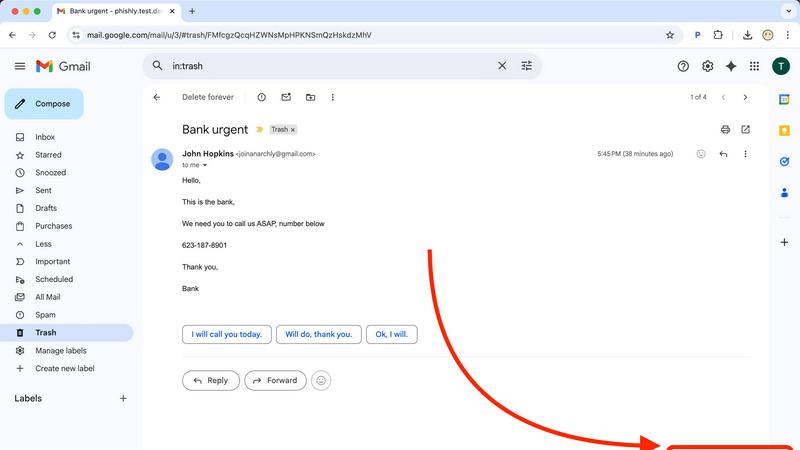
Phishly offers a native Chrome extension that adds a dedicated "Scan with Phishly" button directly within the Gmail web interface. This feature allows for one-click analysis of any open email thread without requiring the user to copy, paste, or leave their inbox. The extension maintains a minimal footprint, operating only upon explicit user activation. This integration streamlines the security check into the user's existing email workflow, eliminating friction and encouraging regular use for suspicious messages.
Privacy-First, On-Demand Scanning Protocol
A foundational feature of Phishly is its strict privacy-centric operational model. Unlike security suites that scan all incoming mail automatically, Phishly employs an explicit consent framework. The AI algorithms are activated solely when a user manually initiates a scan via the extension or web tool. This ensures complete user control over data sharing, with no passive monitoring, email storage, or analysis of correspondence beyond the single submitted message. This design addresses critical privacy concerns for professionals handling sensitive communications.
Clear, Actionable Risk Assessment Reports
Upon analysis, Phishly generates a detailed diagnostic report that transcends a simple pass/fail alert. Each scan result is categorized into a clear risk tier: Safe, Medium Risk, or High Risk. The report elaborates with specific, plain-language explanations for the verdict, pinpointing exact issues found, such as "The sender's domain 'paypa1-security.com' is a homoglyph attack impersonating 'paypal.com'" or "The message uses high-pressure language demanding immediate action." This educational component helps users understand the threat and learn to identify similar attempts in the future.
WA Reminders
Dual Scheduling Interface
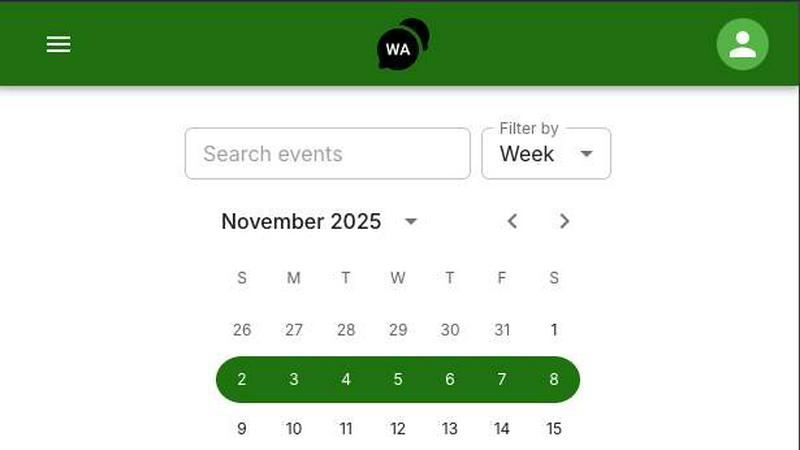
WA Reminders provides two distinct, synchronized methods for scheduling messages. Users can schedule directly within the WA Reminders application, which features an integrated contact list automatically imported from the user's linked smartphone. Alternatively, scheduling can be initiated from Google Calendar by simply adding an internationally formatted phone number to the title or description of any calendar event. This dual-interface architecture offers flexibility, allowing users to work within their existing workflow, whether they prefer a dedicated dashboard or their familiar calendar ecosystem.
Native WhatsApp Integration
The platform establishes a direct, secure link with your existing WhatsApp or WhatsApp Business account via QR code authentication. This technical integration ensures that all scheduled messages are sent from your verified business phone number, preserving brand identity and trust. Crucially, the message thread originates from and remains within your personal WhatsApp account, enabling you to view sent messages and continue any subsequent conversation natively within the standard WhatsApp application without switching contexts.
Automated Contact Synchronization
When scheduling messages through the WA Reminders application, the system performs an automatic synchronization with the contact list stored on the user's linked mobile device. This eliminates the need for manual entry of client phone numbers, reducing setup time and potential for human error. The imported contacts are then available for selection within the scheduling interface, streamlining the process of creating reminders for existing clients.
Recurring Event & Calendar Sync Support
WA Reminders supports the scheduling of messages for recurring events, a critical functionality for businesses with regular appointments. This capability works both for events created within its own app and for recurring events synced from Google Calendar. Furthermore, by utilizing Google Calendar synchronization, the tool indirectly integrates with other scheduling platforms like Calendly, enabling automated reminder generation for appointments booked through those external systems.
Use Cases
Phishly
Verification of Financial and Invoice Emails
Users frequently receive emails purporting to be from banks, payment processors like PayPal, or vendors with urgent invoice updates. These are prime targets for phishing. With Phishly, a user can instantly scan such an email to verify the legitimacy of the sender's domain, check for subtle misspellings in links, and assess whether the tone matches a genuine financial alert. This use case is critical for preventing business email compromise (BEC) and direct financial fraud.
Screening Potential Credential Theft Attempts
A common phishing vector involves fake login pages for services like Microsoft 365, Google, Dropbox, or social media. Phishly analyzes emails containing login prompts or password reset requests. It examines the embedded links for authenticity and checks if the email's headers and content align with the official communication patterns of the service being impersonated, helping users avoid surrendering their credentials to malicious actors.
Analyzing Unsolicited Job Offers or Prize Notifications
Suspicious job offers, grant opportunities, or prize win notifications are often used as lures. Individuals, especially freelancers and job seekers, can use Phishly to scrutinize these emails. The AI detects hallmarks of such scams, including poorly written content, requests for personal information upfront, and links to unverified domains, protecting users from advance-fee fraud and identity theft schemes.
Educational Tool for Security Awareness Training
For small business owners or team leads, Phishly serves as a practical, real-world training tool. When a suspicious email is received, teams can use the web tool to analyze it together. The detailed breakdown provided in the risk report educates employees on the specific tactics used by phishers, such as sender spoofing or deceptive link text, thereby building a more security-conscious organizational culture through hands-on experience.
WA Reminders
Medical and Therapy Clinic Appointment Reminders
Clinics can significantly reduce patient no-show rates by automating appointment reminders. WA Reminders allows staff to schedule confirmations and pre-session instructions 24-48 hours in advance directly from the clinic's shared Google Calendar. The message, sent from the clinic's official WhatsApp Business number, feels personal and direct, leading to higher open and response rates compared to SMS or email, thereby optimizing practitioner schedules and revenue.
Service-Based Professional Follow-ups
Independent professionals such as consultants, personal trainers, or freelancers can automate post-service follow-ups and payment reminders. By scheduling a polite check-in or invoice message to be sent after a service is delivered, they maintain consistent client communication without manual effort. The automatic contact import feature makes it efficient to manage reminders for a rotating client base directly from their primary smartphone.
Small Retail Shop Customer Engagement
Small shops can use WA Reminders to notify customers about order readiness, promotional offers, or personalized check-ins. For instance, a shop can schedule a message to be sent when a repair is complete or a reserved item arrives. Sending these notifications via WhatsApp, a platform where customers are highly active, ensures prompt pickup and fosters a modern, responsive brand image.
Membership-Based Business Renewal Notifications
Businesses operating on a subscription or membership model, such as gyms or co-working spaces, can schedule recurring renewal reminders. A message can be configured to send automatically a week before a monthly or annual payment is due. This automated process minimizes late payments and lapsed memberships, improving cash flow predictability with minimal administrative overhead.
Overview
About Phishly
Phishly is a specialized AI-powered cybersecurity platform engineered to provide real-time phishing detection and analysis. Its core architecture is built around a multi-layered machine learning model trained to identify sophisticated phishing indicators that often evade traditional spam filters. The platform is delivered through two primary interfaces: a lightweight Chrome browser extension that integrates directly with Gmail's web interface and a standalone web application for analyzing email content pasted from any source. This dual-access model ensures comprehensive coverage for users regardless of their email client or workflow. Phishly is specifically designed for individuals, remote workers, freelancers, and small to medium-sized businesses that require enterprise-grade security analysis without the associated complexity, cost, or IT overhead. Its fundamental value proposition lies in its on-demand, privacy-centric scanning model; the AI only processes emails that a user explicitly submits for review, ensuring no background data collection or unauthorized access to the inbox. The system delivers a clear, triage-based risk assessment (Safe, Medium Risk, High Risk) accompanied by a granular breakdown of detected threats, empowering users with actionable intelligence to make informed security decisions instantly.
About WA Reminders
WA Reminders is a specialized software solution engineered to automate and schedule WhatsApp messages for professional and business communication. It functions as a bridge between your scheduling platform and the WhatsApp messaging service, enabling users to pre-plan and dispatch reminders, confirmations, and follow-ups directly to clients' WhatsApp accounts. The core operational principle involves linking your personal or WhatsApp Business account via a secure QR code scan, similar to WhatsApp Web. Once connected, messages can be scheduled either through WA Reminders' dedicated application interface or by leveraging existing Google Calendar events. This tool is specifically architected for independent professionals, medical and wellness clinics, service-based entrepreneurs, and small retail shops whose operational efficiency depends on managing appointments and reducing client no-shows. Its primary value proposition lies in centralizing reminder management, saving administrative time, and improving client attendance rates by delivering timely, automated communications through the ubiquitous and trusted WhatsApp channel, all while maintaining the conversation thread within the user's own WhatsApp account for seamless continuity.
Frequently Asked Questions
Phishly FAQ
How does Phishly protect my privacy compared to other security tools?
Phishly is architected with a strict on-demand analysis model. The system has no access to your email account or inbox. Scanning is only performed on the specific email content you actively choose to submit, either by clicking the extension button in an open Gmail or by pasting text into the web tool. We do not store, log, or analyze any email you do not explicitly send for review. This ensures maximum user control and data privacy.
What specific indicators does the AI look for in an email?
The AI engine conducts a multi-faceted analysis. Technically, it examines email headers for spoofing (e.g., mismatched 'From' addresses), analyzes domain names for homoglyphs and typosquatting, and inspects URLs for redirects and suspicious registrations. Linguistically, it uses Natural Language Processing (NLP) to flag social engineering tactics, including urgency, fear, greed, impersonation of trusted entities, and grammatical inconsistencies atypical of legitimate corporate communications.
Is technical knowledge required to install and use Phishly?
No technical expertise is required. Installation involves adding the Phishly Chrome extension from the Chrome Web Store with a single click. Usage is equally straightforward: within Gmail, simply open any email and click the "Scan with Phishly" button. For emails outside Gmail, copy the full email text and paste it into the analysis field on the Phishly website. The interface and risk reports are designed for clarity for all user levels.
What is the difference between the 'Medium Risk' and 'High Risk' classifications?
A 'Medium Risk' classification indicates the email contains one or more suspicious characteristics but may not be a definitive phishing attempt. Examples include a slightly unusual sender domain, mildly urgent language, or a link to a newly registered but not overtly malicious site. A 'High Risk' classification is assigned when multiple, strong phishing indicators are conclusively identified, such as confirmed domain spoofing, links to known malicious infrastructure, or a clear replica of a legitimate service's login page. The detailed report explains the specific findings behind the rating.
WA Reminders FAQ
Do you offer a free plan?
WA Reminders does not offer an unlimited free plan due to the significant server infrastructure costs required to reliably send scheduled messages. However, we provide a 14-day money-back guarantee on all paid subscription plans. If the service does not meet your requirements, you can request a full refund within this period with no questions asked, effectively allowing you to evaluate the platform risk-free.
Can I import or use the contacts from my phone to send reminders?
Yes, WA Reminders features automated contact synchronization. When you use the WA Reminders application to schedule a message, the system securely imports your full contact list from the smartphone linked to your WhatsApp account. These contacts are then available within the app's interface for easy selection, eliminating the need for manual data entry.
Can I send reminders directly from Google Calendar?
Absolutely. WA Reminders is integrated with Google Calendar. To schedule a message, simply create an event in your Google Calendar and include an internationally formatted phone number (e.g., +1234567890) in the event's title or description. The system will detect this number and automatically queue a WhatsApp reminder to be sent at the time of the event.
Do you have a Calendly integration?
WA Reminders integrates with Calendly through Google Calendar synchronization. When a client books an appointment via your Calendly, the event is typically added to your Google Calendar. WA Reminders will then read that calendar event and, if a phone number is present in the specified format, automatically generate a WhatsApp reminder based on the event details, creating a seamless workflow from booking to reminder.