

Alternatives to Startup Science
Startup Science integrates your startup ecosystem into a cohesive platform for founders, mentors, investors, and accelerators to collaborate.
Explore 20 alternatives to Startup Science. Compare features, pricing, and find the best fit for your needs.

Egmatic
No-code 2D game editor: visual node logic, drag-and-drop scenes, live preview. Exports to Windows, macOS, Linux, Android, iOS, Web.
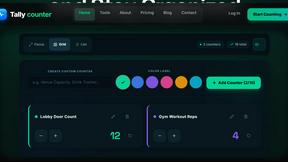
Tally Counter
Online tally counter for tracking attendance, workouts, inventory, visitors, sports scores, habits, and everyday counting tasks.

SnitchFeed
SnitchFeed is an agentic social listening tool that surfaces high-intent conversations on LinkedIn, X, Hackernews, and more for GTM and product teams.
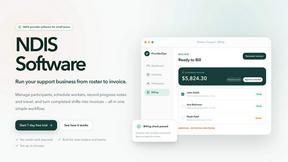

AkraLabs
Where modern software products get discovered, launched, and distributed. Explore verified AI tools, SaaS startups, and developer software.
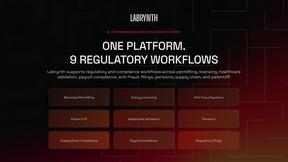
Labrynth AI
AI regulatory intelligence platform that turns complex requirements into cited, audit-ready outputs.

Murphi
AI-native healthcare platform for clinical documentation, revenue assurance, patient payments, compliance, and payer contract analysis.

Built2WinWeb AI SEO
Custom PHP websites, AI Indexing Pack ($599 one‑time), and WebAgentScan SaaS ($9/mo). MCP, A2A, llms.txt, full ownership.

Construction Calculator
Free construction calculators with transparent formulas, steps, assumptions, and metric or imperial units.
JsonTranslate
Translate JSON, Markdown, and TXT files while preserving keys, paths, and project structure.

Build or Skip
Build or Skip helps builders find products already making money before they commit to a new idea.
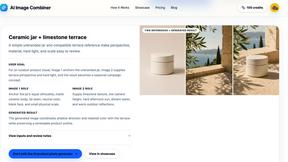
AI Image combinder
Create professional product images with AI. Upload your product photo and transform it into stunning marketing visuals, lifestyle scenes, and e-commer

Luffy
Luffy is an AI employee in Slack that remembers your workspace and executes tasks across every app.


About Startup Science Alternatives
Startup Science is a comprehensive operating system tailored specifically for startups, designed to integrate various aspects of the startup ecosystem into a single, cohesive platform. It aims to eliminate the inefficiencies associated with the fragmented use of multiple tools, such as CRMs, spreadsheets, and learning management systems, by providing a unified framework built on a research-backed, seven-phase Startup Lifecycle. This innovative approach facilitates collaboration among founders, accelerators, mentors, investors, and service providers, all while fostering measurable progress through a shared language and unified profiles. Users often seek alternatives to Startup Science for various reasons, including pricing considerations, specific feature requirements, or platform compatibility with existing systems. When choosing an alternative, it is crucial to assess the platform's ability to meet the unique needs of your startup ecosystem, such as scalability, ease of use, integration capabilities, and the availability of support resources. A thorough examination of these factors can help ensure that the selected tool aligns with your organization’s goals and enhances operational efficiency.
FAQs about Startup Science Alternatives
What is Startup Science?
Startup Science is a unified operating system designed to streamline the startup ecosystem by integrating various tools and resources into one cohesive platform. It addresses the challenges posed by disparate systems, offering a structured approach based on a seven-phase Startup Lifecycle. This framework is built on 35 years of research and has been validated through 12 successful business exits.
Who is Startup Science for?
Startup Science is ideal for founders, accelerators, universities, entrepreneurial support organizations, mentors, investors, and service providers. It provides each of these stakeholders with tailored tools and resources, enabling them to collaborate more effectively. By connecting all parties within a single platform, it fosters a more synchronized and efficient startup ecosystem.
Is Startup Science free?
Startup Science is not a free platform; it operates on a subscription-based model that varies depending on the specific features and services utilized. This pricing structure is designed to ensure that users gain access to comprehensive resources and tools necessary for navigating the startup lifecycle. Organizations are encouraged to evaluate their needs to determine the best fit.
What are the main features of Startup Science?
The main features of Startup Science include a structured framework based on the seven-phase Startup Lifecycle, a Unified Startup Profile for better collaboration, program management tools for accelerators and ESOs, and enhanced deal flow access for investors. Additionally, mentors benefit from shared context to offer more valuable insights, while service providers can reach founders at critical moments.