Amovera vs Bargou One
Side-by-side comparison to help you choose the right tool.

Amovera
All-in-one wedding planner. No hidden fees.

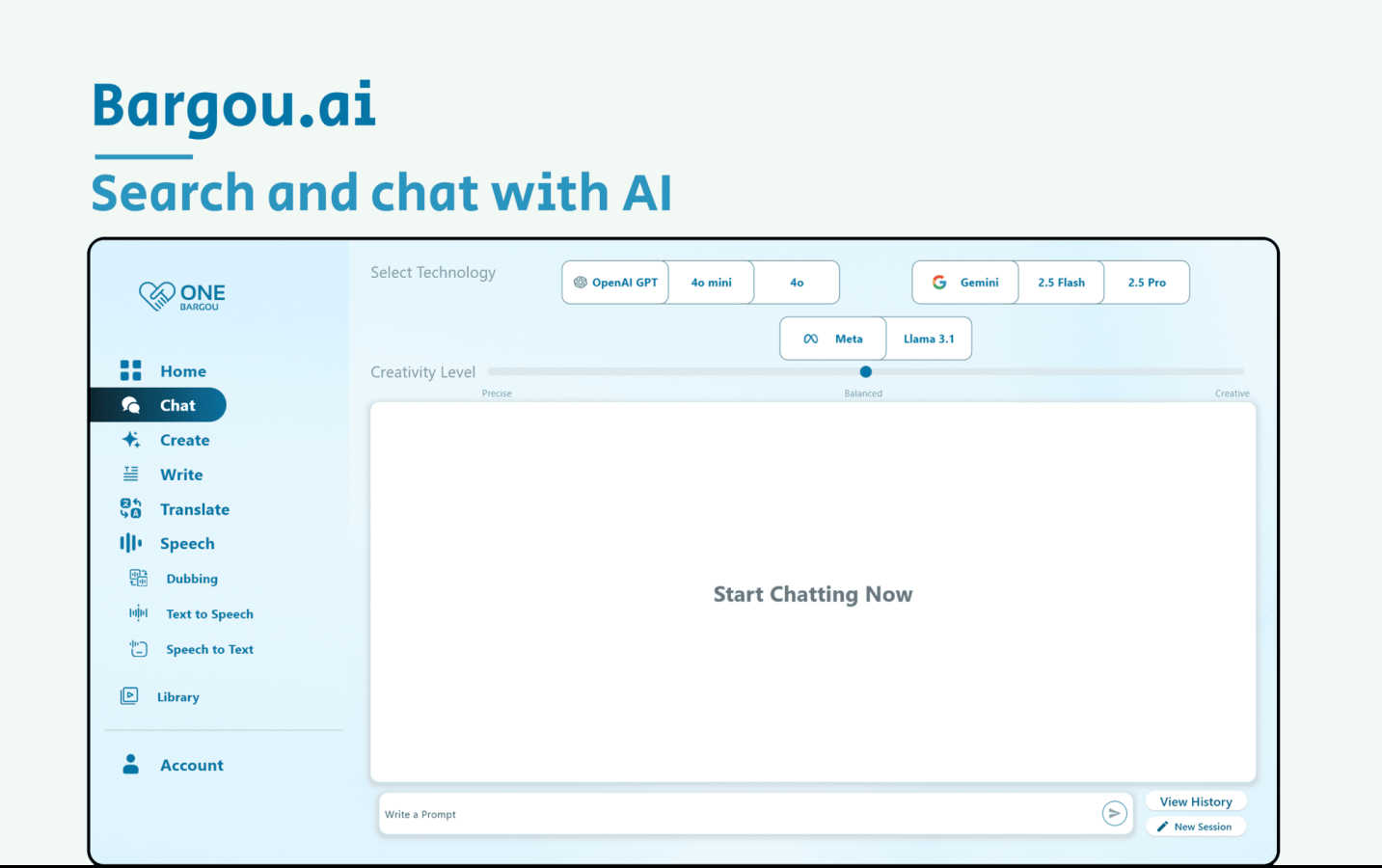
Bargou One is an all-in-one AI suite for chat, content creation, writing, and translation.
Last updated: March 1, 2026
Visual Comparison
Amovera

Bargou One
Overview
About Amovera
Amovera is a wedding planning tool that keeps everything in one place. Guest list and RSVP management, seating chart builder, budget tracker, moodboard, vendor contacts and task lists, all without switching between apps or spreadsheets.
It works for two people at the same time, so both partners can plan together without stepping on each other's toes.
Most free wedding tools make money by selling your data to vendors. Amovera does not. You pay once and get lifetime access with no subscriptions, no upsells and no spam from caterers.
Available in English and German, building more languages soon.
One payment. Lifetime access. 60-day money-back guarantee.
About Bargou One
Bargou One is a sophisticated, multi-platform AI productivity suite engineered to consolidate a diverse ecosystem of advanced artificial intelligence tools into a single, unified application. It functions as a centralized hub for creation, communication, and comprehension, designed for professionals, students, content creators, and any user seeking to optimize their digital workflow. The core value proposition lies in its integration of five distinct, powerful modules—Chat, Studio, Office, Speech, and Translate—each powered by leading AI models from industry giants including OpenAI, Google Gemini, Meta, Stability AI, and DeepL. This architecture eliminates the need to manage multiple standalone applications, subscriptions, and interfaces, providing a streamlined and efficient toolkit. Bargou One is specifically engineered to break down language barriers through advanced translation and dubbing, automate and enhance content generation across text, image, music, and video, refine written communication, and facilitate multimodal interaction via speech-to-text and text-to-speech. A key technical specification is its native availability across all major desktop (Windows, macOS, Linux) and mobile (iOS, Android) platforms, ensuring seamless, device-agnostic productivity and workflow continuity.