
ButterflAI vs Rocket Source
Side-by-side comparison to help you choose the right tool.

ButterflAI
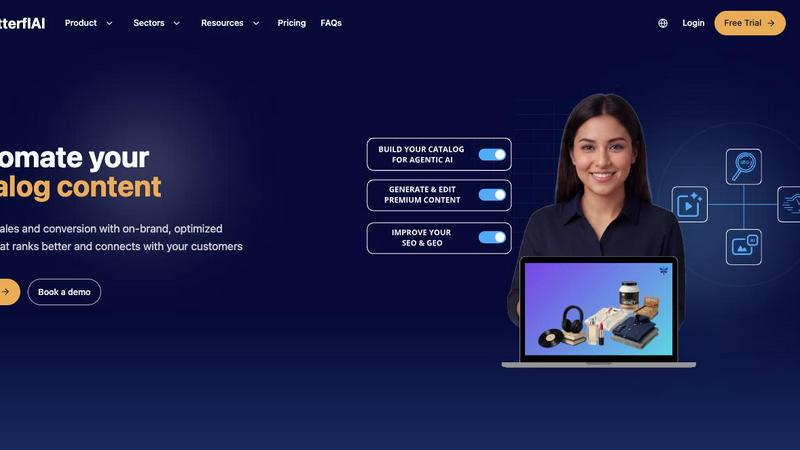
ButterflAI transforms product photos into complete SEO-optimized listings with images, videos, and copy in minutes.
Last updated: February 26, 2026

Rocket Source
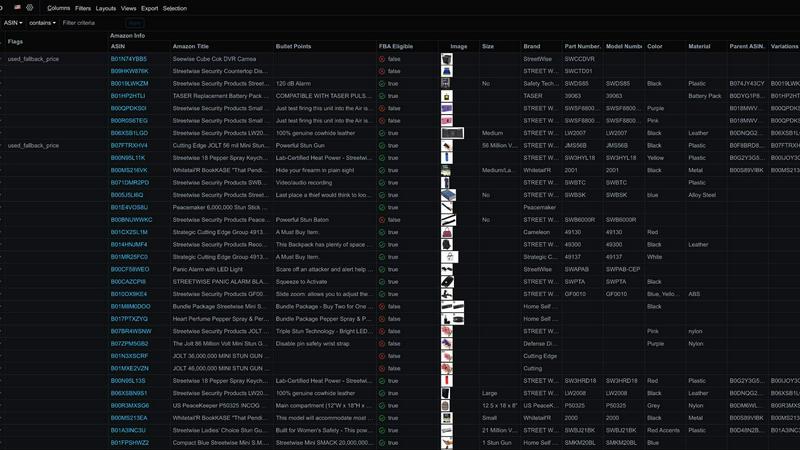
Rocket Source analyzes bulk wholesale data with live Amazon metrics to identify profitable FBA opportunities.
Last updated: February 28, 2026
Visual Comparison
ButterflAI
Rocket Source
Feature Comparison
ButterflAI
Image Generation & Editing
ButterflAI provides powerful image generation and editing capabilities, allowing users to create on-brand product images in seconds. Users can generate product variants, remove backgrounds, and enhance visuals, which significantly increases the potential for higher conversion rates.
AI Video Generation
With ButterflAI's AI Video Generation feature, static product images can be transformed into engaging short-form videos. This feature is particularly beneficial for social media marketing, enabling brands to showcase products dynamically and attractively.
AI SEO & Copywriting
The platform automatically generates keyword-rich titles, descriptions, and SEO metadata, designed to help products rank higher in search results. This feature saves time and resources by ensuring that every listing is optimized for discoverability and engagement.
Creative Packs Generation
ButterflAI allows for the instant creation of creative packs, including both product and lifestyle variations. This feature enables eCommerce teams to test multiple ideas without the need for additional photo shoots, promoting flexibility and innovation in marketing strategies.
Rocket Source
Automated Supplier Catalog Analysis
This core feature automates the entire initial sourcing analysis. Users upload supplier-provided spreadsheets, and the platform's AI engine automatically maps the supplier's column headers (like SKU, UPC, or title) to its internal data model. It then processes each row, fetching and appending over 90 data points from Amazon for every product, transforming a static list into a dynamic, analyzable dataset in minutes. This eliminates hours of manual copy-pasting, lookups, and data entry, allowing for the rapid evaluation of thousands of potential products from a single supplier file.
Comprehensive Product Data Enrichment
Rocket Source enriches each supplier product with a comprehensive suite of over 90 real-time and derived data points. Critical metrics include the current Buy Box price (for new and used conditions), precise calculated FBA fees, Amazon Best Sellers Rank (BSR), total offer count, and product dimensions. It also provides vital categorical data such as brand, color, size, and pack quantity, along with derived insights like BSR percentage and Top Level Category flags. This depth of data provides a complete picture of a product's market position, profitability, and logistical considerations.
Advanced Restriction and Flagging System
The platform proactively identifies potential pitfalls and restrictions for Amazon sellers. It scans each product for critical eligibility flags, such as Hazmat classification, brand gating, or Small and Light program eligibility. It also detects product variations by identifying Parent ASINs and listing all related child ASINs. These flags and warnings allow sellers to filter out problematic or complex inventory before purchase, mitigating risk and preventing costly mistakes related to compliance, storage fees, or listing complications.
Enterprise-Grade Scalability and Global Reach
Engineered for high-volume operations, Rocket Source can process massive supplier files containing over 500,000 product rows directly within the user's browser, without requiring local software installation or overwhelming system resources. The platform supports product analysis across 18 international Amazon marketplaces, enabling global sourcing strategies. This scalability, combined with full API access for integration into existing ERP or inventory management systems, makes it suitable for both individual high-volume sellers and large enterprise procurement teams.
Use Cases
ButterflAI
Accelerated Product Launches
eCommerce brands can leverage ButterflAI to speed up the process of launching new products. By automating content creation, brands can ensure that their new SKUs are available for sale quickly and efficiently.
Enhanced Brand Consistency
Retailers can use ButterflAI to project a coherent brand look across their entire catalog. The platform ensures visual consistency across all product references, fostering a strong and recognizable brand identity.
SEO Optimization and Performance Tracking
Agencies can utilize ButterflAI to enrich product listings with SEO-rich copy and structured attributes. This optimizes catalog performance on search engines and improves overall visibility, leading to increased traffic and sales.
Workflow Automation for High-Volume Catalogs
For businesses dealing with large inventories, ButterflAI automates the content creation process, allowing teams to focus on strategic initiatives rather than manual entry. This automation leads to fewer errors and better catalog quality.
Rocket Source
Wholesale Product Sourcing and Vetting
Wholesale sellers and distributors use Rocket Source to efficiently vet bulk supplier catalogs. By uploading a supplier's entire product list, they can instantly see the real Amazon market data for each item. This allows for the rapid identification of products with healthy margins, sufficient demand (via BSR), and low competition (offer count), enabling data-backed negotiation and purchasing decisions at scale, directly from wholesale suppliers.
FBA Profitability and Fee Analysis
Fulfillment by Amazon (FBA) sellers leverage the platform's precise FBA fee calculations, which are derived from the exact product dimensions and weight. By comparing the supplier's cost against the net profit after all Amazon fees (referral, FBA, storage), sellers can accurately forecast margins. This prevents the common error of using estimated fees, ensuring that only genuinely profitable products, after all costs, are added to inventory.
Avoiding Restricted and Gated Products
Sellers utilize the restriction flagging system to filter out products that would be difficult or impossible to sell. Before purchasing inventory, they can filter supplier lists to exclude items flagged for Hazmat, brand gating, or those that are not eligible for preferred programs like Small and Light. This pre-emptive screening saves significant time and capital that would otherwise be tied up in unsellable or restricted stock.
Managing Product Variations and Multipacks
For sellers dealing in products with variations (e.g., different sizes or colors of apparel) or multipacks, Rocket Source provides essential data points. It identifies Parent ASINs, lists all variation ASINs, and specifies Amazon's pack quantity. This allows sellers to ensure they are sourcing the correct variation from their supplier and accurately forecasting demand for that specific variant, avoiding mismatches between purchased inventory and the live Amazon listing.
Overview
About ButterflAI
ButterflAI is a cutting-edge AI-driven tool designed specifically for eCommerce teams to streamline the creation and optimization of product listings at scale. It integrates seamlessly with Shopify stores or allows for CSV uploads, enabling users to generate high-quality, brand-consistent content tailored for each SKU. This includes crafting engaging titles, detailed descriptions, key features, SEO metadata, and structured fields, as well as generating product images and short videos. By starting with existing product data or even a single product photo, ButterflAI assembles a comprehensive asset set, including clean visuals, detailed angles, and lifestyle creatives. The platform identifies gaps in product listings, such as missing attributes and weak SEO, and suggests actionable fixes. Its capability to refresh listings over time ensures that product content remains relevant as catalogs and market trends evolve. Ultimately, ButterflAI accelerates product launches, minimizes manual edits, enhances consistency across catalogs, and boosts organic visibility and conversions—all without the need for specialized design or SEO expertise.
About Rocket Source
Rocket Source is an advanced, AI-powered data analysis platform engineered specifically for Amazon sellers, with a focus on wholesale, FBA (Fulfillment by Amazon), and FBM (Fulfilled by Merchant) business models. Its primary function is to automate and accelerate the product sourcing workflow by performing high-volume, real-time analysis of supplier catalogs against live Amazon marketplace data. The platform is designed to eliminate the manual, error-prone process of product research by allowing users to upload supplier spreadsheets containing thousands of SKUs. Rocket Source's proprietary AI automatically maps spreadsheet columns and enriches each product listing with over 90 critical data points sourced directly from Amazon's API and other authoritative sources. This data includes real-time Buy Box prices, precise FBA fee calculations, sales rank (BSR), offer counts, and crucial eligibility flags for potential restrictions like hazmat or brand gating. By replacing estimations with actual, current data, the platform enables sellers to identify genuinely profitable inventory opportunities with accurate, data-driven margin projections. Built for enterprise-scale operations, it can process files exceeding 500,000 rows directly within a web browser and supports analysis across 18 global Amazon marketplaces. Trusted by individual entrepreneurs and major corporations like Luxottica and Reckitt, Rocket Source integrates seamlessly into existing workflows through full API access, empowering businesses to make informed sourcing decisions, prevent overstocking of slow-moving inventory, and scale their Amazon operations efficiently.
Frequently Asked Questions
ButterflAI FAQ
How does ButterflAI integrate with existing eCommerce platforms?
ButterflAI offers seamless integration with Shopify stores, allowing users to connect their accounts directly. Alternatively, users can upload product data via CSV files for easy setup.
Can I customize the generated content to fit my brand's tone?
Yes, ButterflAI is designed to adapt the generated content to match your brand's specific tone and style, ensuring consistency across all product listings.
What types of products can I optimize using ButterflAI?
ButterflAI is versatile and can be used for various product categories, including jewelry, skincare, apparel, footwear, accessories, furniture, pet products, and home decor, among others.
Is there a free trial available for ButterflAI?
Yes, ButterflAI offers a free trial, enabling users to explore the platform's capabilities and evaluate its impact on their eCommerce operations before making a commitment.
Rocket Source FAQ
What type of files can I upload to Rocket Source?
Rocket Source is designed to process standard spreadsheet files, primarily in CSV or XLSX format. These files should contain your supplier's product catalog data, including identifiers like UPC, EAN, ISBN, or product titles and brands. The platform's AI will automatically detect and map the relevant columns in your file to begin the data enrichment process.
How does Rocket Source calculate profitability?
Profitability calculations are based on a comprehensive model using real-time data. The platform pulls the current Buy Box price and then subtracts Amazon's referral fee, the precisely calculated FBA fulfillment fee (based on the product's dimensions, weight, and category), and the estimated shipping cost from the supplier. By inputting your supplier's cost per unit, the system provides an accurate net profit projection, replacing manual estimates with data-driven figures.
What does the "BSR Percentage" data point mean?
BSR Percentage is a derived metric that provides context to a product's Best Sellers Rank (BSR). It is calculated by dividing the product's specific BSR number by the total number of products in its Amazon subcategory. A lower BSR Percentage indicates the product is closer to the top of its category (e.g., #1 out of 100,000 products = 0.001%), generally signaling stronger sales velocity compared to a product with a higher percentage, offering a more standardized way to compare demand across different categories.
Can I use Rocket Source for marketplaces outside the United States?
Yes, Rocket Source supports product analysis for 18 global Amazon marketplaces, including the UK, Germany, France, Japan, Canada, Australia, and others. This allows international sellers and those looking to expand globally to analyze supplier products against the live data of their target marketplace, ensuring accurate pricing, fee, and demand information for each specific region.
Alternatives
ButterflAI Alternatives
ButterflAI is an advanced artificial intelligence tool designed to help eCommerce teams by transforming product photos into fully optimized listings. It falls within the eCommerce category, providing essential features like brand-consistent images and SEO-ready copy, enabling faster and more efficient product launches. Users often seek alternatives to ButterflAI due to factors such as pricing, specific feature sets, or compatibility with different platforms, which may not align with their operational needs. When choosing an alternative, it is important to consider the scalability of the solution, its ability to integrate with existing systems, and the quality of the content it produces.
Rocket Source Alternatives
Rocket Source is a specialized data analysis platform within the Amazon wholesale and FBA sourcing software category. It is engineered to automate the evaluation of bulk supplier catalogs by enriching product lists with live Amazon metrics, enabling sellers to identify profitable inventory opportunities with high precision and at scale. Users may explore alternatives for various reasons, including budget constraints, specific feature requirements not addressed by the platform, or a need for a different operational workflow. Some may seek tools with a stronger focus on other business models like retail arbitrage or private label, or require integrations with different e-commerce ecosystems beyond Amazon's core marketplaces. When evaluating an alternative, key considerations should include the depth and accuracy of data sourcing, particularly the use of live API data versus estimates. Scalability in processing large files, the range of marketplace support, and the inclusion of critical compliance flags are also vital. Finally, assess the platform's integration capabilities and whether its automation features align with your specific sourcing volume and methodology.