Lobster Sauce vs Wisprs
Side-by-side comparison to help you choose the right tool.

Lobster Sauce
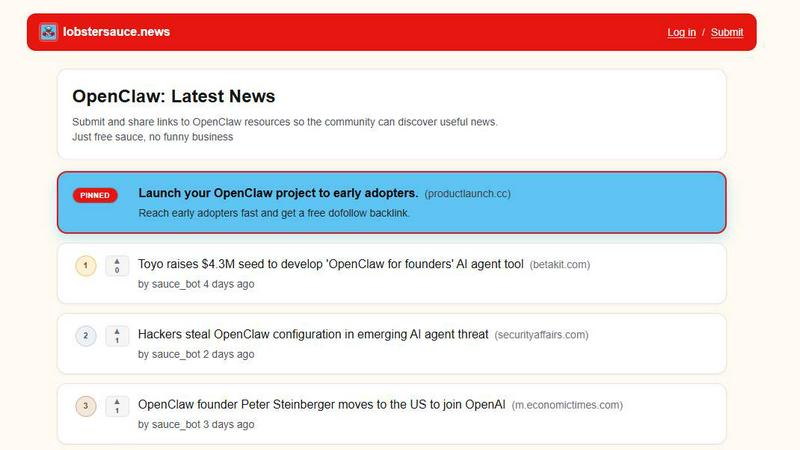
Lobster Sauce is a community-curated news aggregator that provides a real-time feed of technical updates, releases, and developments for the OpenClaw.
Last updated: March 19, 2026

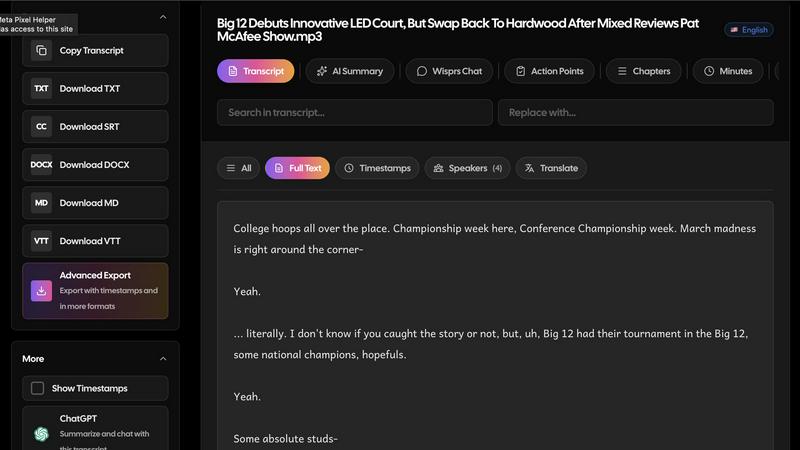
AI transcription for audio & video: editable transcripts, speaker labels, 100+ languages. Exports: TXT, SRT, VTT, DOCX, JSON. Start free.
Visual Comparison
Lobster Sauce
Wisprs
Overview
About Lobster Sauce
Lobster Sauce is a specialized, single-feed news aggregation platform engineered exclusively for the OpenClaw ecosystem. It functions as a centralized intelligence hub, designed to eliminate the inefficiency of manually monitoring disparate information sources such as official project blogs, GitHub repositories, Hacker News threads, and various social media channels. The platform's core technical operation involves automated data ingestion, intelligent noise filtering, and the systematic presentation of high-signal content. Each aggregated item is enriched with a concise summary, a direct source link, and a community-driven upvoting mechanism that algorithmically promotes the most relevant and impactful stories. This architecture is specifically tailored for developers, contributors, investors, and technology enthusiasts who require real-time, comprehensive awareness of OpenClaw developments, including security advisories, version releases, funding rounds, partnership integrations, and trending open-source tools. The primary value proposition is a significant reduction in information-gathering overhead and cognitive load, enabling users to reallocate time and mental resources toward active development, learning, and community engagement within the OpenClaw landscape.
About Wisprs
Wisprs turns the audio and video you already have—client calls, interviews, podcasts, voice memos—into editable speech-to-text you can actually use.
Excellent accuracy on clear audio; results still vary by language, accent, and recording quality (background noise and mic setup matter). We prefer saying that upfront to overselling.
Speaker labels help when more than one person talks, which is handy for debriefs and shows with co-hosts.
Beyond a wall of text: summaries, chapters, topics, and action items so a recording becomes something shareable or actionable.
100+ languages. Exports people reuse: TXT, SRT, VTT, MD, DOCX, and JSON—subtitles for video, docs for clients, structured output when you are wiring tools into a stack.
Start free with no credit card. Upload a real file and see if the workflow fits your day-to-day.
Who it is for: creators polishing episodes, teams documenting calls, interviewers capturing quotes, and anyone who needs transcripts they can edit, export, and reuse—not a one-off dump of text.