QR Menu Ninja vs Vendor Space
Side-by-side comparison to help you choose the right tool.

QR Menu Ninja
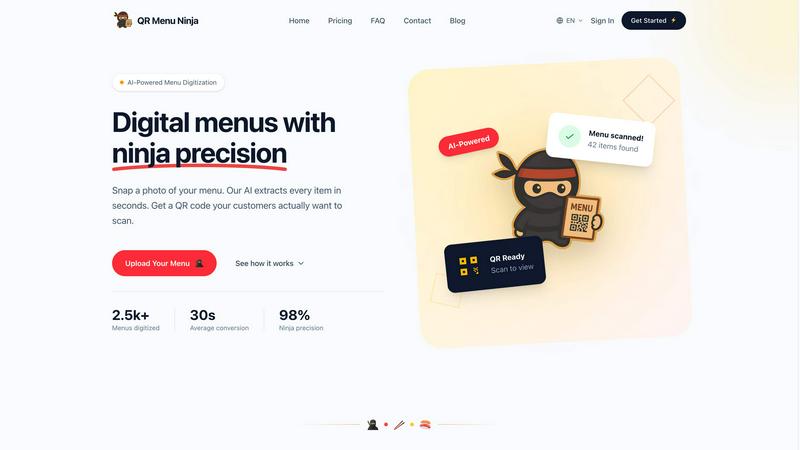
QR Menu Ninja lets restaurants create fast, mobile-friendly QR code menus that are easy to update, share, and manage—no apps required.

Vendor Space
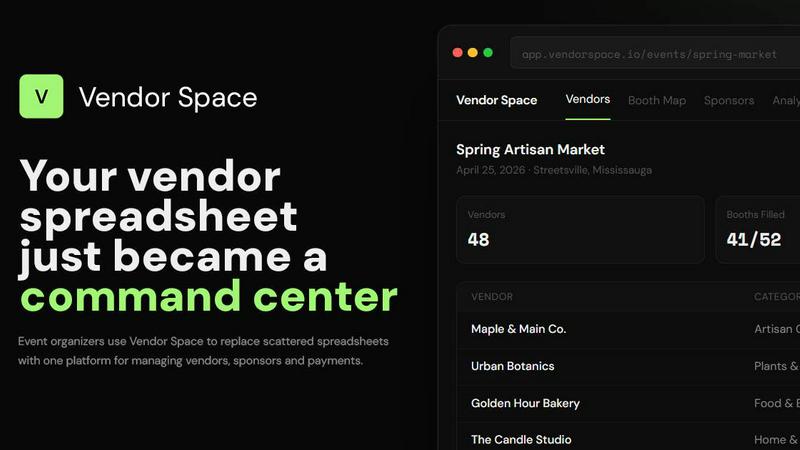
Vendor Space is a centralized platform that replaces spreadsheets to manage event vendors, sponsors, contracts, and payments.
Last updated: April 13, 2026
Visual Comparison
QR Menu Ninja
Vendor Space
Overview
About QR Menu Ninja
QR Menu Ninja is a simple, fast solution that helps restaurants create and manage digital QR code menus. It allows owners to update prices, items, and availability instantly without reprinting menus or relying on third-party platforms. Designed for mobile-first use, QR Menu Ninja delivers clean, easy-to-read menus that work on any device—no app downloads required. It’s ideal for cafés, bars, and restaurants that want a modern, contactless menu experience while keeping full control over their content and branding.
About Vendor Space
Vendor Space is a comprehensive, all-in-one vendor and sponsor management platform engineered specifically for event organizers. It is designed to eliminate the operational chaos associated with managing vendors by replacing disparate tools like spreadsheets, email threads, and manual payment trackers with a single, unified command center. The platform digitizes and consolidates the entire vendor lifecycle, from initial application and custom form creation to booth mapping, digital contract execution, and integrated payment processing. A key differentiator is its inclusion of sponsor management within the same ecosystem, allowing for seamless coordination between paid partnerships and vendor operations. Built by an event organizer, the interface prioritizes intuitive usability without sacrificing powerful functionality. Vendor Space operates on a transparent, pay-as-you-go model: the platform itself is completely free to use, with revenue generated solely through a flat 6% transaction fee applied to processed payments. This approach removes barriers like monthly subscriptions, hidden costs, and binding contracts. The core value proposition is to professionalize event operations, drastically reduce administrative overhead by an estimated 80%, and enhance the experience for both organizers and vendors through centralized, automated workflows.