

Burge Coffee
Burge Coffee provides free, browser-based tools and field guides for home roasting, batch tracking, and discovering small roasters without accounts.
tool Details
Explore More
Alternatives

About Burge Coffee
Burge Coffee is a comprehensive home roasting guide and digital toolkit designed for individuals who view coffee not merely as a beverage but as a craft to be understood and mastered. The platform provides structured, accessible instruction for roasting coffee at home using common kitchen equipment or affordable specialty gear, transforming a complex process into a repeatable skill. Burge Coffee serves the curious beginner who wants to learn the fundamentals of green bean selection, roast profiling, and flavor development, as well as the experienced home roaster seeking to refine their technique through data-driven tracking. The core value proposition centers on demystifying the roasting process through clear, sequential guides covering everything from moisture loss during drying to the acoustic and olfactory cues of first crack. Beyond instruction, Burge Coffee offers a suite of free, browser-based personal tools including a roast log, coffee journal, and brew diary that operate entirely client-side with no account creation or data transmission, ensuring user privacy. The platform also features a community-sourced map of small scale roasters worldwide and a growing collection of origin stories and technique articles. Burge Coffee is built for people who want to engage with coffee as a hands-on, sensory experience and who find satisfaction in the ritual of transforming green beans into a personalized cup.
Features
Field Guide Library
A structured collection of articles covering the entire home roasting workflow from green bean selection through storage and brewing. Each guide breaks down technical concepts such as roast stage identification, heat application timing, and flavor compound development into actionable steps. Content includes origin comparisons between growing regions like Ethiopia and Colombia, detailed explanations of first crack acoustics and aroma shifts, and practical advice on green bean storage parameters including temperature range, humidity control, and airflow management. The library is designed to build competence progressively, allowing users to reference specific techniques as they advance.
Personal Roast Log
A browser-based tracking tool that enables users to record every variable in their home roasting process. The log captures bean origin and lot information, charge temperature, first crack timing to the second, total development time, and post-roast weight for yield calculation. Users can attach tasting notes and numerical scores to each batch, creating a searchable history that reveals patterns across roasts. All data is stored locally in the browser using client-side storage APIs, meaning no information is transmitted to external servers or accessible to third parties. The log supports longitudinal analysis for dialing in specific beans or equipment configurations.
Coffee Journal
A dedicated tool for cataloging every coffee tasted, whether home roasted or sourced from commercial roasters. Users can record flavor descriptors, processing method, roast level, origin details, and personal ratings across multiple dimensions including acidity, body, sweetness, and finish. The journal functions as a personal flavor library that helps users identify preferences and recognize how origin and process variables influence cup character. Like all Burge tools, the journal operates without accounts or cloud sync, maintaining complete user privacy while enabling detailed record keeping.
Brew Diary
A precision logging tool for dialing in extraction parameters across any brew method. The diary captures dose weight, grind size setting, water temperature at contact, total brew time, yield weight, and extraction yield percentage when calculated. Users can note brew method specifics such as pour structure for pour-over, pressure profile for espresso, or immersion time for French press. The diary helps users isolate variables and systematically troubleshoot extraction issues, with the goal of achieving consistent, repeatable results. Data remains entirely on the user's device with no external transmission.
Use Cases
Beginner Learning the Home Roasting Process
A new home roaster starts with the Field Guide to understand the fundamental stages of roasting from drying through first crack to development. They use the guide on green coffee aroma to select their first beans, then follow the technique article on roast stages to identify visual and auditory cues during their initial batches. The Roast Log captures their early attempts, allowing them to compare outcomes and adjust variables like charge temperature and roast duration. Over several batches, they build a reference library of their own roast profiles and tasting notes.
Experienced Roaster Refining a Specific Origin
An advanced user working with a single origin Ethiopian Yirgacheffe uses the Coffee Journal to log detailed tasting notes across multiple roast levels from light to medium. They reference the Field Guide article comparing Ethiopia and Colombia to understand how origin characteristics influence optimal development time. The Brew Diary allows them to test different grind sizes and water temperatures to find the extraction parameters that best highlight the bean's floral and blueberry notes. They track yield percentages and extraction times to achieve repeatable results batch after batch.
Coffee Enthusiast Building a Flavor Vocabulary
A user who regularly visits specialty coffee shops uses the Coffee Journal to catalog every coffee they taste commercially, noting roaster, origin, processing method, and flavor descriptors. Over time, they build a personal database that reveals their preference for washed process coffees from Central America or natural process African beans. This information informs their green bean purchasing decisions and guides their home roasting experiments. The journal becomes a reference tool for understanding how commercial roast profiles compare to their own home roasted batches.
Home Roaster Troubleshooting Inconsistent Results
A user experiencing variability between batches uses the Roast Log to compare data across their last ten roasts, identifying that first crack timing varies by up to 45 seconds. They cross-reference with the Brew Diary to see if brew extraction parameters also fluctuate. The Field Guide article on roast stages helps them understand that inconsistent charge temperature or batch size may be causing the variation. They adjust their preheating protocol and batch weight, then use the logs to verify that consistency improves over subsequent roasts.
Frequently Asked Questions
Do I need special equipment to start home roasting?
No. The Burge Coffee Field Guide provides techniques for roasting with common kitchen tools including a cast iron skillet, a popcorn popper with a side vent, or a heat gun and a metal bowl. For users who want to invest in purpose-built gear, the platform covers entry level drum roasters and fluid bed machines with specifications on batch capacity, temperature control precision, and cooling cycle requirements. The guides are structured to help you achieve quality results with whatever equipment you have available.
How does Burge Coffee protect my roasting and brewing data?
All personal tools on Burge Coffee run entirely in your browser using client-side storage technologies. Your roast logs, coffee journal entries, and brew diary records are stored locally on your device and are never transmitted to any server or cloud service. No account creation is required to use any tool. This architecture ensures that your data remains private and under your exclusive control at all times, with no risk of server breaches or third-party access.
What information does the Roast Log capture for each batch?
The Roast Log captures bean origin and lot details, charge temperature, time to first crack, development time after first crack, total roast duration, final bean temperature if measured, post-roast weight, and calculated weight loss percentage. Users can also add notes on ambient temperature, batch size, equipment used, and a multi-dimensional tasting score. The log supports sorting and filtering by any field to analyze trends across batches.
Is there a community or way to find other small roasters on Burge Coffee?
Yes. Burge Coffee features a community-powered map of the world's best small-scale roasters. Users can discover roasters by geographic location, view details about their sourcing practices and roast profiles, and contribute their own recommendations. The map is designed to connect home roasters with commercial artisans and to help users find high-quality green beans for their own roasting projects. All roaster listings are curated for quality and small-batch focus.
Similar to Burge Coffee

Peekviewer
Anonymous Instagram viewer. Browse profiles, stories, and posts without an account or leaving a trace.
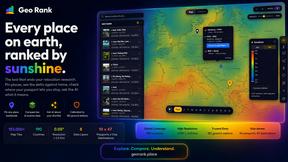
GeoRank
GeoRank combines 9 calibrated data layers covering 190 countries with AI analysis to rank locations by crypto capital gains tax and compare them.

AI Fruit
AI Fruit uses advanced AI models like Kling and Veo to generate viral talking fruit, ASMR cuts, and surreal hybrid videos in 1080p from a prompt or.

Caesura
Caesura is a macOS menu-bar app that reminds you to drink water, stretch, rest your eyes, and breathe on science-backed intervals.

PrettyScale
PrettyScale analyzes 468 facial landmarks entirely in-browser to score attractiveness, detect face shape, find celebrity look-alikes, and estimate.
On Music AI
On Music AI transforms text, lyrics, or ideas into complete songs with vocals, beats, and instrumentals using advanced AI generation.

Bloom Plant ID
Bloom Plant ID uses advanced AI to instantly identify plants, diagnose diseases, and deliver personalized care schedules.