

IPCONFIG
IPCONFIG.COM provides global network analysis with Ping tests, IP lookup, and geolocation services.
tool Details
About IPCONFIG
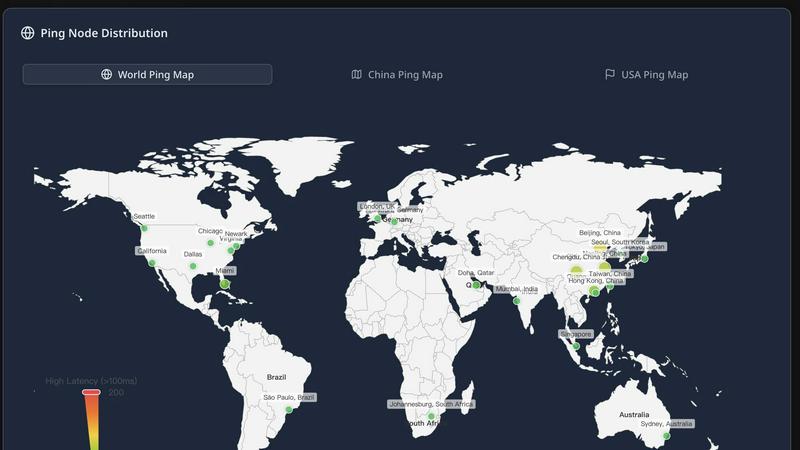
IPCONFIG is a comprehensive, web-based networking utility platform engineered to deliver critical network diagnostics and information without requiring software installation. It serves a broad user base, including network engineers, system administrators, web developers, and general users seeking to understand their network environment. The platform's core value proposition is providing instant, accurate, and detailed network insights through a suite of specialized tools accessible via a standard web browser. At its foundation is a robust IP Address Query system that reveals a user's public IPv4 or IPv6 address, along with associated metadata such as Internet Service Provider (ISP), Autonomous System Number (ASN), geographic coordinates, city, region, country, and timezone. Beyond simple lookup, IPCONFIG offers advanced diagnostic capabilities like a global Ping Test, which measures network latency and packet loss across a distributed network of over 20 test nodes spanning seven continents. This allows for precise network quality analysis and troubleshooting. By consolidating these essential networking functions into a single, user-friendly interface with clear API documentation for developers, IPCONFIG empowers users to efficiently diagnose connectivity issues, verify network configurations, and optimize performance with minimal effort and maximum reliability.
Features
IP Address and Geolocation Lookup
This core feature provides instantaneous querying of detailed information for any public IP address or domain name. Upon submission, the system returns precise geolocation data including country, region, city, and coordinates. It also delivers comprehensive network intelligence such as the assigned Internet Service Provider (ISP), the Autonomous System Number (ASN), and the local timezone. The tool supports both IPv4 and IPv6 addresses, offering a complete snapshot of a network endpoint's identity and location for security, logging, or content localization purposes.
Global Ping Test Network
IPCONFIG operates a proprietary global network of over 20 testing nodes strategically distributed across seven continents. Users can initiate a ping test to measure critical network performance metrics, including round-trip latency (in milliseconds) and packet loss percentage, from their location to these global points of presence. This feature is essential for diagnosing connectivity issues, assessing the quality of service (QoS) from different geographic regions, and verifying network path reliability for applications and services with an international user base.
Multi-Protocol API and Developer Integration
The platform offers a fully-featured API, accessible via standard protocols like cURL, and provides code snippets for popular programming environments such as Python and Next.js. This allows developers to programmatically integrate IP geolocation lookup and network diagnostic functions directly into their own applications, scripts, or websites. The API supports structured data responses (like JSON), enabling automation of network monitoring tasks, user analytics based on location, or automated troubleshooting workflows.
Real-Time Network Diagnostics Suite
Beyond ping, IPCONFIG provides a suite of complementary network testing tools. This includes bandwidth testing capabilities to assess upload and download speeds, helping users verify their internet connection performance against their ISP's service level agreement. The integrated tools are designed to work cohesively, allowing a user to first identify their IP and location, then test latency to key global nodes, and finally measure throughput, all within the same streamlined web interface.
Use Cases
Network Troubleshooting for System Administrators
Administrators can use the global ping test to isolate network outages or performance degradation. By pinging multiple nodes worldwide, they can determine if an issue is localized to their network, their ISP's regional infrastructure, or a specific destination server. The IP lookup tool simultaneously helps identify the source of suspicious connections by revealing the geolocation and ISP of unfamiliar IP addresses accessing their systems.
Geolocation Integration for Web Developers
Developers utilize the IPCONFIG API to automatically detect the approximate location of website visitors. This data can be used to customize user experiences without requiring login information, such as displaying localized content, redirecting to region-specific site versions, presenting appropriate currency and language settings, or complying with geographic content licensing restrictions.
Cybersecurity and Threat Analysis
Security professionals leverage the detailed IP query reports for initial threat intelligence triage. When reviewing server logs or firewall alerts, they can quickly query the originating IP address of a potential attack to gather information on its associated ISP, hosting provider, and geographic origin. This data aids in pattern recognition, attack attribution, and informing blocklist decisions.
Remote Work and Connectivity Verification
Remote employees and digital nomads can use IPCONFIG to verify their public IP address and ensure their VPN or proxy connection is active and correctly masking their true location. The speed and ping tests allow them to objectively assess the quality of their current internet connection, which is crucial for the stability of video conferences, VoIP calls, and cloud application access.
Pricing
IPCONFIG offers a tiered pricing model based on monthly usage credits. The Free plan provides 1,000 monthly credits for basic personal use, with rate limits of 10 queries per minute and no dedicated support. The Pro plan, priced at $4.9 per month, is designed for professionals and includes 50,000 monthly credits, a significantly higher rate limit of 10 queries per second, and access to Discord-based technical support. For high-volume enterprise needs, the Lifetime plan is available for a one-time payment of $499, which includes 1,000,000 monthly credits refill, a rate limit of 100 queries per second, and priority chat support. Credits are consumed per operation (1 credit per IP geolocation query or per ping test node). All payments are processed securely via Stripe.
Frequently Asked Questions
What is the difference between my public and private IP address?
Your private IP address (e.g., 192.168.x.x, 10.x.x.x) is assigned by your local router to identify devices within your private home or office network. It is not routable on the public internet. IPCONFIG displays your public IP address, which is assigned by your Internet Service Provider and serves as the single, globally unique identifier for your entire local network as seen by all external websites and online services.
How do I check my IP address and location using IPCONFIG?
Simply navigate to IPCONFIG.COM using any web browser. The homepage will automatically detect and display your current public IPv4 or IPv6 address in the "Your Current IP Address" section. For a detailed report including your ISP, city, region, country, and timezone, you can enter your IP or a domain name into the "IP Address Query" tool and click "Query."
Why does my public IP address change?
Dynamic IP addressing is standard for most residential and mobile internet services. Your ISP's DHCP server may assign you a different public IP address periodically (e.g., after a router reboot, modem reset, or at the end of a lease period). Some business plans offer static IP addresses that remain constant. IPCONFIG helps you monitor these changes.
What is a Ping Test and how does IPCONFIG's service work?
A Ping Test sends small data packets from your device to a target server and measures the time it takes to receive a response (latency) and if any packets are lost. IPCONFIG's Ping Test sends these packets from its global network of nodes to your IP, or from your browser to its nodes, measuring the connection quality. This helps identify latency spikes or packet loss indicative of network congestion or routing problems.