

Microplastic Intake App
The Microplastic Intake App provides data-driven, research-backed tracking and analysis of your daily microplastic consumption from food, drink, and.
tool Details
Explore More
Alternatives
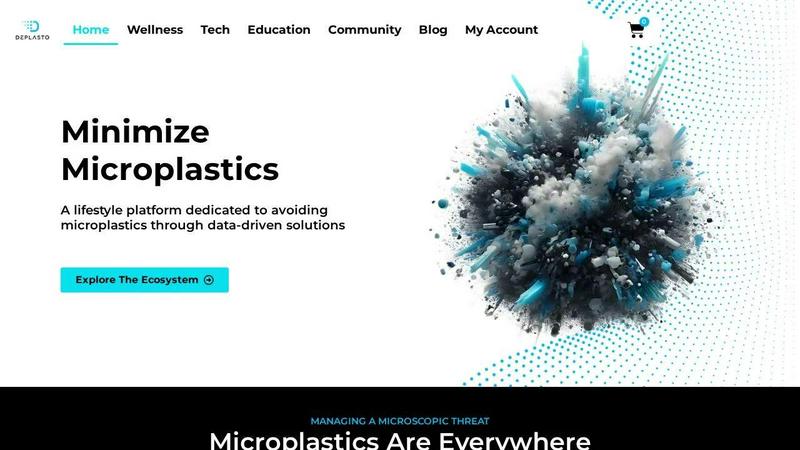
About Microplastic Intake App
The Microplastic Intake App is a data-driven wellness technology platform designed to quantify, track, and manage an individual's daily exposure to microplastics through dietary and environmental sources. Unlike conventional nutrition trackers that focus solely on macronutrients like proteins, fats, and carbohydrates, this application addresses a critical yet overlooked component of modern health: the ingestion and inhalation of microscopic plastic particles. Peer-reviewed research, including studies by Cox et al. (2019) and Song et al. (2024), estimates that humans consume approximately 52,000 microplastic particles annually, with detection rates reaching 100% in blood samples. The application leverages a proprietary computational model built upon hundreds of scientific publications to estimate intake from specific foods, beverages, and daily activities. The primary audience includes health-conscious individuals, wellness practitioners, and environmental health advocates seeking to minimize their toxic burden. By providing granular, evidence-based intake data, the app empowers users to identify the highest contributors to their personal microplastic exposure, make informed dietary substitutions, and track longitudinal trends. The core value proposition lies in optimizing physiological functions such as gut health, hormonal balance, energy metabolism, and antioxidant production through targeted avoidance strategies. The app integrates seamlessly with a broader ecosystem that includes a nutritional supplement line, an educational eBook containing over 150 citations and 20+ solutions, and a community network focused on plastic-free living. This comprehensive approach transforms abstract environmental concerns into actionable, personalized health metrics.
Features
Proprietary Intake Estimation Model
The application utilizes a proprietary algorithm that processes user-inputted food, beverage, and activity data against a database compiled from over 100 peer-reviewed studies quantifying microplastic contamination levels. This model accounts for variables such as food type, packaging materials, processing methods, and environmental conditions to generate an estimated particle count per serving. The model is continuously updated as new research emerges, ensuring calculations reflect the latest scientific consensus on contamination rates across diverse product categories, from seafood and bottled water to processed foods and ambient air.
Comprehensive Food and Beverage Database
Users gain access to an extensive, searchable database containing thousands of common food and drink items, each annotated with microplastic contamination estimates derived from published scientific literature. The database includes categories such as seafood, salt, honey, beer, tap water, bottled water, and packaged foods. Each entry specifies the estimated particle count per gram or serving, the type of polymers detected (e.g., polyethylene, polypropylene, polystyrene), and the source study citation, allowing users to cross-reference data integrity and understand the scientific basis for each estimate.
Daily Activity and Environmental Tracking
Beyond dietary intake, the app incorporates tracking for non-dietary exposure pathways, including inhalation of airborne microplastics and dermal contact from synthetic textiles. Users can log activities such as time spent in urban environments, frequency of synthetic clothing wear, and laundry cycles for polyester garments. Research indicates that a single wash of polyester clothing can release over 700,000 microfibers (Napper et al. 2016). The app calculates estimated inhalation and dermal exposure based on duration, location, and activity type, providing a holistic intake profile.
Longitudinal Data Analytics and Trend Visualization
The application features robust data analytics tools that compile daily intake estimates into weekly, monthly, and yearly trend charts. Users can visualize changes in their estimated microplastic consumption over time, correlate intake spikes with specific dietary choices or activities, and track progress toward reduction goals. The system generates personalized reports highlighting the top five contributors to an individual's intake, enabling targeted intervention strategies. This longitudinal capability supports evidence-based decision-making for optimizing gut health, energy levels, and hormonal function through reduced toxic exposure.
Use Cases
Personalized Dietary Risk Assessment
A health-conscious individual logs their daily meals and beverages into the app over a two-week period. The system analyzes the entries and identifies that their consumption of farmed salmon, bottled water, and tea from plastic tea bags accounts for over 60% of their estimated daily microplastic intake. The user receives recommendations for lower-contamination alternatives, such as wild-caught salmon, filtered tap water, and loose-leaf tea. This data-driven approach allows for precise dietary modifications rather than generalized avoidance strategies.
Environmental Exposure Monitoring for Urban Dwellers
A user living in a densely populated city utilizes the activity tracking feature to log their daily commute, outdoor exercise, and indoor air quality. The app calculates that their inhalation exposure from urban air pollution and synthetic clothing contributes an additional 15,000 particles per day beyond their dietary intake. By adjusting their exercise schedule to early morning hours when particulate levels are lower and switching to natural fiber clothing, the user reduces their total estimated daily exposure by approximately 25% over a three-month period.
Post-Detoxification Program Optimization
An individual who has completed a 30-day nutritional supplement regimen featuring ingredients like N-Acetylcysteine and Chlorella for microplastic detoxification uses the app to monitor their ongoing intake. By tracking their daily consumption patterns, they identify that their workplace's reliance on plastic water coolers and pre-packaged lunches is introducing a steady baseline of contamination. The user implements changes by bringing a stainless steel water bottle and home-prepared meals, allowing them to maintain the benefits of their detoxification program and prevent re-accumulation.
Scientific Research and Public Health Education
A university researcher studying environmental toxicology uses the app's database and trend analysis tools to gather preliminary data on common dietary sources of microplastic exposure among a test group of volunteers. The researcher exports anonymized intake logs to correlate specific food categories with estimated particle counts, contributing to a broader study on population-level exposure patterns. The app's citation-linked database serves as a rapid reference tool for identifying which foods require further scientific investigation regarding contamination levels.
Frequently Asked Questions
How does the app estimate microplastic intake from my food and drinks?
The app uses a proprietary computational model that references a database compiled from hundreds of peer-reviewed scientific studies. For each food or beverage item you log, the system cross-references the specific type, brand, packaging, and processing method against published contamination data. Estimates are provided as a range of particles per serving, based on the mean and standard deviation reported in the scientific literature. The model accounts for variables such as polymer type, particle size distribution, and environmental factors to ensure the most accurate estimation possible given current research.
Is the microplastic intake data scientifically validated?
Yes, 100% of the data used within the application is sourced from peer-reviewed scientific studies published in reputable journals. Each entry in the database includes a citation to the original research, allowing users to verify the source. The application does not rely on anecdotal evidence or unverified claims. The proprietary model is designed to be transparent, and the team continuously updates the database as new studies are published, ensuring the estimates reflect the most current scientific understanding of microplastic contamination in food, beverages, and the environment.
Can the app help me reduce my actual microplastic exposure?
Yes, the app is specifically designed to empower users to reduce their exposure through data-informed decision-making. By identifying the specific foods, drinks, and activities that contribute most significantly to your personal intake, you can make targeted substitutions and behavioral changes. The app provides actionable recommendations, such as switching from bottled water to filtered tap water, choosing natural fiber clothing, and avoiding plastic packaging. Longitudinal tracking allows you to measure the effectiveness of these changes over time, providing quantifiable feedback on your reduction efforts.
What is the difference between tracking microplastics and tracking macros?
Traditional macro tracking focuses on nutritional components like proteins, carbohydrates, and fats that your body metabolizes for energy and growth. Microplastic tracking, by contrast, monitors the intake of non-nutritive, synthetic particles that accumulate in the body and have been linked to oxidative stress, hormonal disruption, and gut microbiome imbalance. While macros provide fuel, microplastics represent a toxic burden that can impair energy production, hormone regulation, and antioxidant defense systems. The Microplastic Intake App addresses this hidden variable, enabling a more complete picture of how your diet and environment affect your overall wellness.
Similar to Microplastic Intake App
GROWNX
Real-time App Store analytics with an AI copilot for portfolio owners.
Build or Skip
Build or Skip helps builders find products already making money before they commit to a new idea.
Wisegrid
Spreadsheet-native work management with AI formulas, dashboards, automation, reporting, and project views for growing teams.
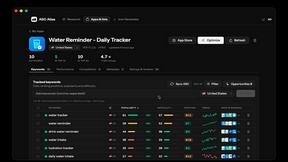
ASO Atlas
Real-time ASO tool with Apple Search Ads data for keyword research, rank tracking and opportunity scoring across 60+ storefronts.
Mappit
Earth's daily zeitgeist, on a time-aware map. Breaking, corroborated stories from hundreds of cities. Drop pins, subscribe & share your places.
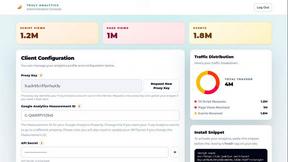

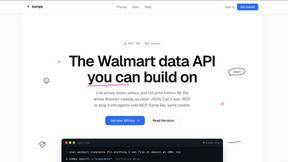
Kompy
Kompy delivers live Walmart prices, stock, sellers, and full price history as clean JSON via REST API or MCP server for developers and AI agents.