

Skipclips
Skipclips offers AI-driven summaries, topic tags, and guest tracking for streamlined podcast and video content insights.
tool Details
Explore More
Alternatives

About Skipclips
Skipclips is an advanced AI-powered platform designed for the discovery and analysis of long-form content, specifically tailored to deconstruct and catalog lengthy video and audio episodes. It draws from an extensive library of premier creators and shows, utilizing sophisticated natural language processing and machine learning algorithms. The platform's primary function is to generate comprehensive and structured outlines for podcasts, interviews, and documentary-style content. Skipclips transforms hours of multimedia into searchable, digestible data, offering users detailed summaries, clear hierarchical topic breakdowns, and a rich metadata layer of descriptive tags. This makes it an invaluable tool for professionals, researchers, students, and enthusiastic content consumers who seek to extract maximum informational value from long-form media without the exhaustive time investment of complete playback. The platform excels in facilitating deep, efficient research, enabling thematic tracking across diverse sources, and pinpointing specific moments of interest with remarkable precision, effectively acting as a semantic search engine for the vast realm of spoken-word content.
Features
Advanced Outlining and Summarization
Skipclips employs cutting-edge natural language processing to create detailed outlines and summaries of lengthy content. This ensures users can quickly grasp the main ideas and themes without needing to engage with the entire episode.
Searchable Metadata Tags
The platform enriches audio and video content with a robust layer of descriptive tags, allowing users to search for specific topics, speakers, or themes across a wide range of media. This feature significantly enhances content discoverability.
Thematic Tracking
Skipclips allows users to track themes across multiple episodes and shows, making it easier to connect related content. This is particularly beneficial for researchers and professionals looking to identify trends or gather insights across different sources.
Precision Moment Selection
With its advanced algorithms, Skipclips can surface specific moments of interest within lengthy episodes. This feature enables users to skip directly to relevant segments, saving time and increasing efficiency in content consumption.
Use Cases
Research and Academic Studies
Skipclips is ideal for researchers and academics who need to analyze extensive multimedia content for insights. The platform's summarization and tagging features allow for efficient data gathering and thematic analysis.
Content Creation and Curation
Content creators can utilize Skipclips to gather relevant information and inspiration from various sources. By accessing structured outlines and key moments, creators can efficiently compile data for their projects or presentations.
Professional Development and Training
Professionals can leverage Skipclips to stay updated on industry trends and insights from podcasts and interviews. The platform's ability to track themes and provide detailed summaries aids in continuous learning and skill enhancement.
Personal Learning and Growth
Avid learners can use Skipclips to explore a vast library of content for personal development. With easy access to key insights from various shows, users can focus on topics that interest them without the burden of sifting through hours of content.
Frequently Asked Questions
How does Skipclips generate its content summaries?
Skipclips uses sophisticated natural language processing and machine learning algorithms to analyze audio and video content, extracting key points and generating structured summaries.
Can I search for specific topics within the content?
Yes, Skipclips provides a searchable metadata layer, allowing users to find specific topics, speakers, or themes across its extensive library of content.
Is Skipclips suitable for educational purposes?
Absolutely. Skipclips is designed for researchers, students, and educators, enabling them to efficiently access and analyze long-form multimedia content for educational insights.
What types of media does Skipclips support?
Skipclips supports a wide range of media, including podcasts, interviews, and documentary-style content, making it a versatile tool for diverse content consumption and analysis needs.
Similar to Skipclips
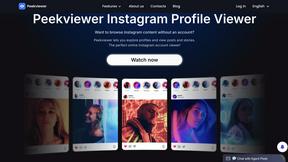
Peekviewer
Anonymous Instagram viewer. Browse profiles, stories, and posts without an account or leaving a trace.
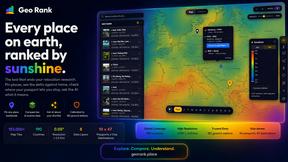
GeoRank
GeoRank combines 9 calibrated data layers covering 190 countries with AI analysis to rank locations by crypto capital gains tax and compare them.
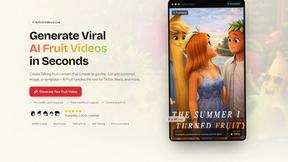
AI Fruit
AI Fruit uses advanced AI models like Kling and Veo to generate viral talking fruit, ASMR cuts, and surreal hybrid videos in 1080p from a prompt or.

Caesura
Caesura is a macOS menu-bar app that reminds you to drink water, stretch, rest your eyes, and breathe on science-backed intervals.
PrettyScale
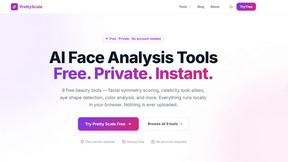
PrettyScale analyzes 468 facial landmarks entirely in-browser to score attractiveness, detect face shape, find celebrity look-alikes, and estimate.

Burge Coffee
Burge Coffee provides free, browser-based tools and field guides for home roasting, batch tracking, and discovering small roasters without accounts.
On Music AI
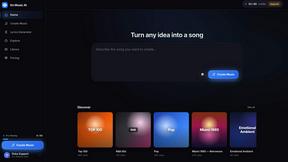
On Music AI transforms text, lyrics, or ideas into complete songs with vocals, beats, and instrumentals using advanced AI generation.