

Alternatives to Image to 3D AI
ImgTo3D.ai instantly converts 2D images into detailed, textured 3D models for gaming and design.
Explore 20 alternatives to Image to 3D AI. Compare features, pricing, and find the best fit for your needs.
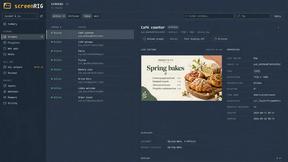
screenRIG
Signage and kiosk infrastructure for AI agents. Your agent publishes images, video, streams, web pages and apps to screens via one plugin.screenRIG is
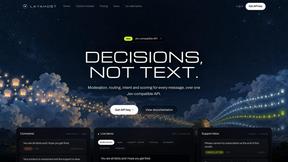
layahost
Moderation, routing, intent and scoring for any text over one Jev-compatible API, hosted in the EU.
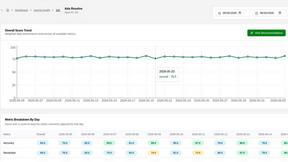
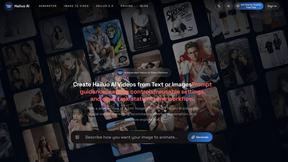
Hailuo AI
Create Hailuo AI videos from text or images with guided prompts, motion and camera controls, flexible settings, and downloadable results.

Speechyou
AI transcription for voice notes, meetings, and audio files in 1,700 languages, with AI summaries and subtitle export and unlimited chat ai usage.
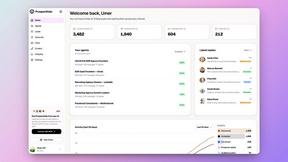
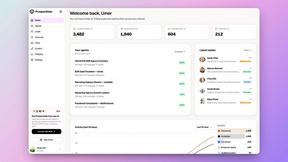
ProspectHalo
AI sales agent that finds qualified leads, runs outreach, follows up automatically, creates content, and helps book more meetings.
benchmark.directory
An independent directory of 145 AI tools across 20 categories. Every listing was paid for, set up and used on real work. No sponsored placements, ever
Tools Network
saasgrow.ai lists SaaS growth tools that founders actually use. Listing is free, screened on submission, and goes live the moment you verify our badge


Built2WinWeb AI SEO
Custom PHP websites, AI Indexing Pack ($599 one‑time), and WebAgentScan SaaS ($9/mo). MCP, A2A, llms.txt, full ownership.
saasgrow.ai
saasgrow.ai is a curated directory of SaaS growth tools where every listing is screened before it goes live and placement can't be bought.

Skydive
Skydive lets teams create AI agents that can complete real work inside the tools they already use.
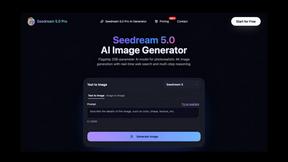
seedream 5.0 Pro
Create breathtaking high-resolution images with Seedream 5.0 Pro, the advanced AI image generator.
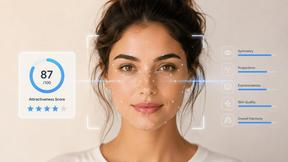
AttractivenessTestLab
Free AI-powered attractiveness test that scores your photo 0-100 with tips.

About Image to 3D AI Alternatives
Image to 3D AI is a specialized AI assistant platform that automates the conversion of 2D images into detailed, textured 3D models. It addresses the significant time investment of traditional manual modeling by using deep learning to infer geometry and apply textures in seconds, serving users in gaming, design, 3D printing, and XR development. Users may seek alternatives for various technical or operational reasons. These include specific budgetary constraints, the need for different export formats or integration capabilities, requirements for higher polygon counts or more advanced mesh editing tools, or a preference for a different user interface or platform ecosystem. Evaluating the specific demands of a project is crucial. When assessing an alternative solution, key technical criteria should be examined. These include the underlying AI model's accuracy and consistency, the range of supported input and output file formats, the degree of user control over mesh topology and texture resolution, processing speed and any usage limits, and the overall cost structure relative to the required feature set and volume of work.
FAQs about Image to 3D AI Alternatives
What is Image to 3D AI?
Image to 3D AI is an AI-powered platform that converts 2D images into fully textured 3D models using deep learning algorithms to analyze depth and shape, generating geometry in seconds.
Who is Image to 3D AI for?
It is engineered for game developers, 3D printing enthusiasts, e-commerce professionals, and XR/AR/VR content producers who need rapid 3D asset creation without specialized modeling software.
Is Image to 3D AI free?
Yes, the platform offers a permanently free tier with robust capabilities, alongside a paid Pro plan for commercial-grade, high-volume workflows and advanced exports.
What are the main features of Image to 3D AI?
Its core features include AI-powered textured conversion that infers geometry and projects textures, and adaptive polygon density control allowing mesh optimization from 5K to 40K polygons.