Image to 3D AI vs TrafficClaw
Side-by-side comparison to help you choose the right tool.

Image to 3D AI
ImgTo3D.ai instantly converts 2D images into detailed, textured 3D models for gaming and design.
Last updated: February 28, 2026

TrafficClaw
Talk to your SEO & Analytics data - it finally talks back
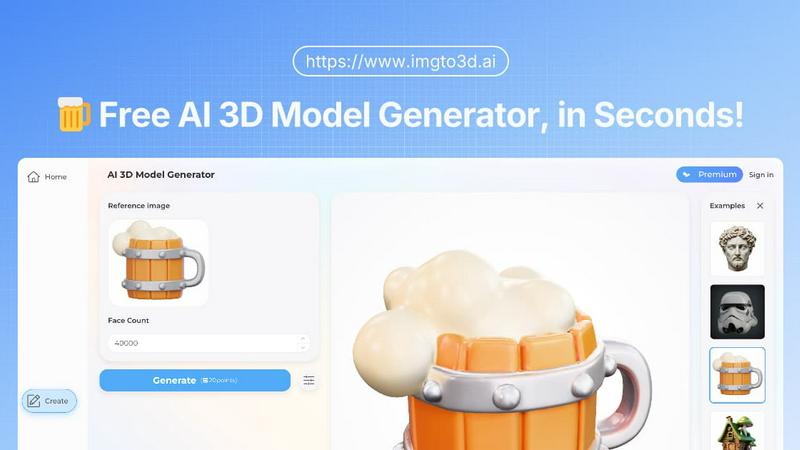
Visual Comparison
Image to 3D AI
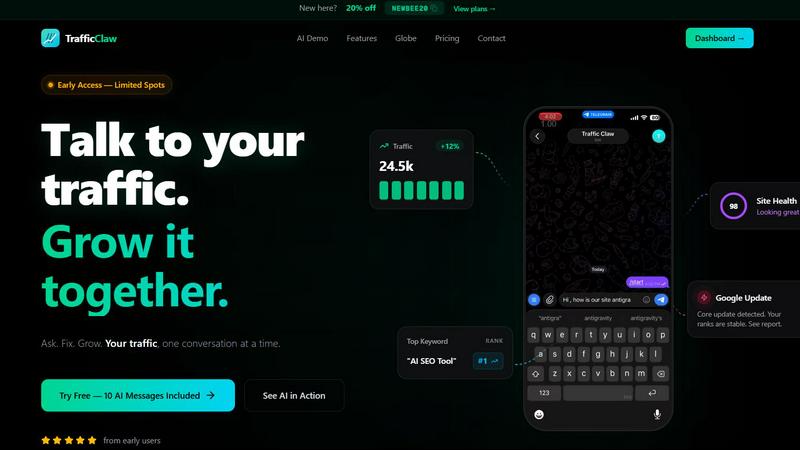
TrafficClaw
Overview
About Image to 3D AI
Image to 3D AI, also known as ImgTo3D.ai, is a sophisticated, AI-driven platform engineered to automate the complex process of converting standard 2D images into fully realized, textured 3D models. It directly addresses the significant time and skill bottleneck inherent in traditional 3D modeling pipelines, which often require extensive manual sculpting, retopology, and UV unwrapping. The platform utilizes advanced deep learning algorithms to analyze a single input image—be it a photograph, digital drawing, or hand-drawn sketch—and intelligently infer depth, geometry, and surface texture data. This allows for the generation of a usable 3D mesh in a matter of seconds, a task that would traditionally take hours or days. Its primary value proposition is delivering professional-grade 3D asset creation at unprecedented speed and accessibility, eliminating the need for expensive, specialized software like Blender, Maya, or ZBrush. The tool is designed for a wide technical audience, including game developers for rapid prototyping, 3D printing enthusiasts creating physical objects, e-commerce teams needing product models, and XR/VR/AR developers populating digital environments. It operates on a freemium model, offering a robust, permanently free tier for casual and testing use, alongside a Pro plan that provides commercial licensing, priority processing to bypass queues, and advanced export formats for integration into professional workflows.
About TrafficClaw
Your traffic dropped. Google Analytics says nothing useful. Search Console shows graphs. Cool. Now what? TrafficClaw lets you just ask - "Why did my traffic drop?" and actually get an answer. Backed by your real data, not some generic blog post advice. Connect GA4 + Search Console. Ask questions. Get fixes. That's it.