Nani vs vaethat
Side-by-side comparison to help you choose the right tool.

Nani streamlines AI image generation by organizing prompts and images into reusable sets for effortless creativity.
Last updated: February 26, 2026

vaethat
Vaethat is an AI tool that effortlessly enhances architectural renders, improving detail and clarity while preserving.
Last updated: February 26, 2026
Visual Comparison
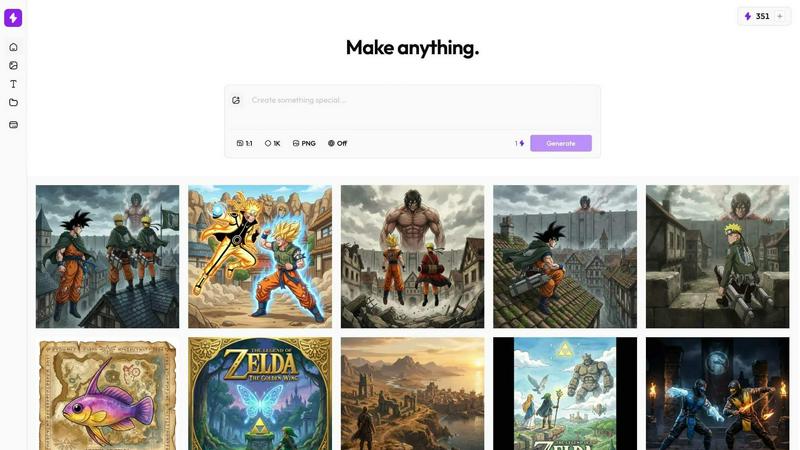
Nani
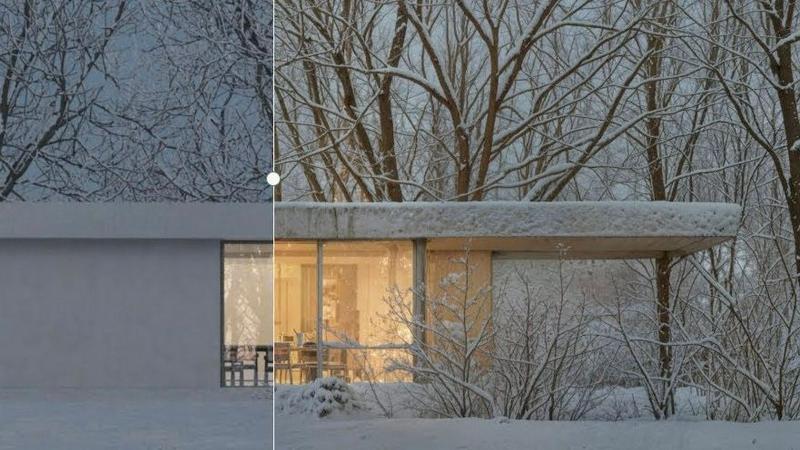
vaethat
Feature Comparison
Nani
Intuitive Interface
Nani boasts a simple and intuitive interface that eliminates the steep learning curve associated with many creative tools. Users can quickly dive into the image generation process without being hindered by complicated settings or features.
Reusable Prompt Sets
With Nani, users can group images and save prompts as reusable sets. This functionality ensures that characters, styles, and workflows remain consistent, making it easier to create cohesive projects over time.
Organized Workflows
Nani allows for the creation of organized folders where users can filter their favorites and bulk-select images. This organizational capability helps keep the library tidy and scalable, accommodating growing project needs.
Seamless Sharing and Collaboration
Users can drag and drop images as references, share their creations via public links, and enable others to recreate their work in their accounts. This feature enhances collaboration and facilitates sharing of creative ideas.
vaethat
AI Render Upscaling
Vaethat employs sophisticated AI algorithms to increase the resolution and sharpness of 3D architectural renders. This feature ensures that the geometry remains clean and consistent, enhancing the overall visual impact of the project while avoiding pixelation or distortion.
Detail Refinement
With detail refinement capabilities, Vaethat enhances fine textures, edges, and small architectural elements. This feature delivers a crisper and more polished look to images, making architectural details stand out and impressing clients and stakeholders alike.
Material and Lighting Enhancement
Vaethat improves the perceived realism of renders by enhancing material definitions and adjusting lighting balances. This feature allows for greater contrast and depth in images, helping to create a more immersive representation of the architectural vision.
Noise and Artifact Cleanup
This feature focuses on reducing noise and common rendering artifacts that can detract from the quality of presentation-ready images. By producing cleaner visuals, Vaethat ensures that the final output is professional and ready for client presentations or portfolios.
Use Cases
Nani
Consistent Character Design
Artists can utilize Nani to maintain consistent character designs across multiple projects. By saving prompt sets, they can easily regenerate characters with the same style and features, ensuring uniformity in their illustrations.
Rapid Prototyping for Designers
Designers can leverage Nani for rapid prototyping, quickly generating multiple variations of a design concept. This allows for faster feedback cycles and more efficient iterations on creative ideas.
Content Creation for Social Media
Content creators can use Nani to produce visually appealing images for social media platforms. The ability to generate high-quality images quickly allows for timely content updates without sacrificing quality.
Educational Resources and Tutorials
Educators can create engaging educational materials using Nani. By generating visuals that complement their teaching resources, they can enhance the learning experience, making complex topics more accessible and visually appealing.
vaethat
Architectural Presentations
Professionals can use Vaethat to create stunning images for architectural presentations. The enhanced clarity and detail help convey design intent effectively, making it easier to impress clients and stakeholders.
Portfolio Development
Vaethat serves as a powerful tool for architects and visualizers looking to build impressive portfolios. By enhancing 3D renders, users can showcase their best work with high-quality images that highlight their skills and design sensibilities.
Marketing Materials
Real estate developers and architects can utilize Vaethat to produce visually striking marketing materials. Enhanced images can attract potential buyers and investors by showcasing properties in their best light, ultimately driving sales.
Project Approvals
Vaethat helps streamline the approval process for architectural projects. By providing high-quality renders that clearly communicate design elements, users can facilitate discussions with clients, stakeholders, and regulatory bodies, leading to quicker approvals.
Overview
About Nani
Nani is a next-generation workflow tool specifically designed to optimize the process of AI image generation. Unlike traditional AI image generation tools that focus on singular creations, Nani caters to users who engage in repetitive tasks, providing a seamless and efficient experience. Targeted at artists, designers, and content creators, Nani leverages Google's advanced Nano Banana Pro (Gemini) technology to deliver high-quality images in a fraction of the time. With features like reusable prompt sets and organized folders, Nani allows users to maintain a consistent visual style and efficient workflow. The platform is designed to minimize administrative burdens, enabling creators to focus on their artistic vision. By offering a user-friendly interface and a credit-based billing system, Nani makes AI image generation accessible and straightforward without any upfront commitment. Whether you are a seasoned professional or a novice, Nani provides everything you need for your creative projects.
About vaethat
Vaethat AI is a cutting-edge tool designed specifically for architectural visualization professionals seeking to enhance the quality of their 3D renders. By leveraging advanced AI technology, Vaethat allows users to upscale and refine their architectural images, improving clarity, sharpness, and overall realism. This tool is tailored to meet the needs of architects, designers, and visualizers, enabling them to present their concepts with exceptional fidelity and detail. The main value proposition lies in its ability to transform standard renders into visually striking representations without the complexity typically associated with image enhancement tools. With a user-friendly interface and a streamlined process, Vaethat minimizes time spent on manual edits, allowing for a focus on creative design rather than technical adjustments.
Frequently Asked Questions
Nani FAQ
How does Nani improve the AI image generation process?
Nani streamlines the image generation process by offering reusable prompt sets and organized folders, allowing users to generate images quickly and efficiently without the repetitive task of rewriting prompts.
Is there a learning curve associated with using Nani?
No, Nani is designed with a user-friendly interface that requires no extensive training. Users can start creating images immediately, making it accessible for individuals at all skill levels.
What is the billing structure for Nani?
Nani employs a credit-based billing system where users pay only for what they generate, with no subscriptions or monthly fees. Each generation costs approximately 30 cents for 1K or 2K resolution images.
Can I collaborate with others using Nani?
Yes, Nani supports collaboration by allowing users to share their creations through public links and enabling others to recreate work in their own accounts. This feature fosters sharing and teamwork in creative projects.
vaethat FAQ
How does the AI render enhancer calculate credits?
The AI render enhancer calculates credits based on the complexity and number of images processed. Each enhancement consumes a specific amount of credits, allowing users to manage their resources effectively.
Can I use the archviz AI upscaler with V-Ray, Lumion, Enscape, 3ds Max, and SketchUp?
Yes, Vaethat is compatible with various rendering engines including V-Ray, Lumion, Enscape, 3ds Max, and SketchUp, making it a versatile tool for any architectural visualization workflow.
What makes this AI post-production tool different from manual editing?
Unlike manual editing, which can be time-consuming and requires technical skills, Vaethat automates the enhancement process, allowing for quick adjustments with minimal input. Users can focus on creativity rather than technicalities.
Can I upgrade or downgrade my AI enhancement plan anytime?
Yes, Vaethat offers flexible subscription plans that allow users to upgrade or downgrade their AI enhancement plan according to their needs at any time, ensuring that they can adapt their usage to project demands.
Alternatives
Nani Alternatives
Nani is a cutting-edge workflow tool designed specifically for AI image generation, streamlining the creative process for artists, designers, and content creators. By organizing prompts and images into reusable sets, Nani allows users to focus on their creativity rather than administrative tasks. As the demand for efficient and effective image generation tools grows, users often seek alternatives due to various reasons such as pricing, feature sets, or compatibility with different platforms. When choosing an alternative to Nani, it's essential to consider the range of features offered, the ease of use, and how well the tool integrates into your existing workflow. Look for solutions that allow for prompt and image reuse, as these capabilities can significantly enhance productivity. Additionally, assess the pricing structure to ensure it aligns with your budget and the specific needs of your projects.
vaethat Alternatives
Vaethat is an AI-powered tool specifically designed for architectural visualization (archviz) professionals, focusing on enhancing and upscaling 3D renders. It allows users to refine details, improve clarity, and maintain design intent while elevating the overall quality of their architectural images. As professionals in this field seek to present their designs in the best light, many users commonly search for alternatives to vaethat due to reasons such as pricing, specific feature requirements, or compatibility with different platforms. When choosing an alternative, users should consider factors such as the tool's ability to upscale renders effectively, the quality of detail enhancement, and the ease of use in terms of workflow. Additionally, it's crucial to evaluate the level of support for various file formats and the overall capability to maintain design integrity during the enhancement process. A thorough comparison of features and pricing can help ensure that the chosen solution meets the unique demands of the architectural visualization industry.