

Alternatives to Fintrack
Fintrack is an AI-powered financial copilot that provides comprehensive spending visibility and automatically uncovers hidden savings opportunities.
Explore 17 alternatives to Fintrack. Compare features, pricing, and find the best fit for your needs.
Budgeting App
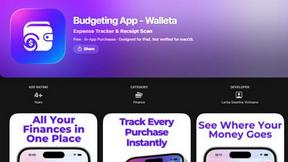
Walleta is an AI-powered iOS budget planner that scans receipts, sets monthly limits, and tracks expenses on-device.
Money Tracker App
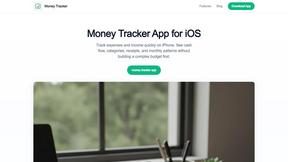
Money Tracker App is a private iOS expense tracker using AI receipt scanning and on-device data with no signup or bank link.
CalcFi
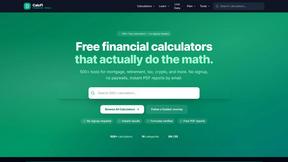
CalcFi provides over 500 cited financial calculators for mortgages, taxes, and retirement with live data and instant PDF reports, no signup required.
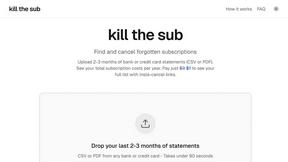
kill the sub
Kill the Sub is an AI tool that finds forgotten subscriptions in your statements and provides direct cancel links for a one-time $3 fee.
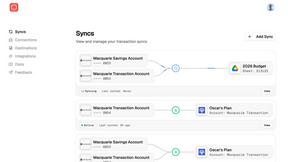
Redbark
Redbark automates syncing your Australian bank and brokerage data to Google Sheets, YNAB, and more with real-time.

Ricco - Financial Literacy Game
Ricco is an engaging financial literacy game that teaches budgeting and investing through real-life scenarios and.
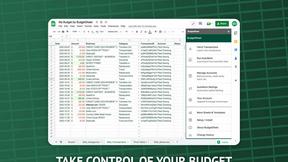
BudgetSheet
BudgetSheet seamlessly imports live bank transactions into Google Sheets, automating your financial tracking.
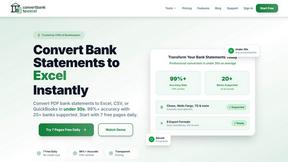
ConvertBankToExcel
ConvertBankToExcel quickly transforms PDF bank statements to Excel, CSV, and more with 99% accuracy in under 30 seconds.
ExpenseManager
ExpenseManager is an all-in-one app for tracking expenses, splitting bills, scanning receipts, and forecasting cash.
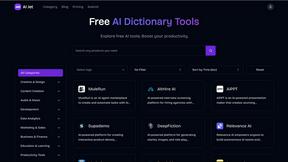
Free AI Tools list Best Directory for AIJet
AIJet is a curated directory of free AI tools designed to boost productivity across various creative and development.

Portfolio Genius
Portfolio Genius is an AI-powered tool that automatically analyzes markets and executes trades for optimal portfolio.
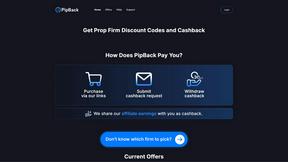
PipBack
PipBack delivers prop traders exclusive discount codes and real cashback on challenges and trading tools.
RydePlan
RydePlan uses AI to streamline car maintenance by forecasting needs, predicting costs, and organizing service records.

Banknaked
Banknaked uses Open Banking to automatically detect and eliminate hidden bank fees in minutes.
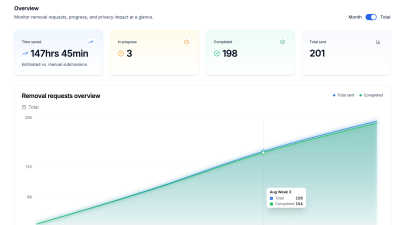
CrabClear
CrabClear automatically deletes your personal data from over 1500 global data brokers for continuous privacy protection.

About Fintrack Alternatives
Fintrack is an AI-powered personal finance management application designed to provide comprehensive spending analysis and automated savings optimization. It operates within the personal financial software category, focusing on aggregating account data and delivering proactive, AI-driven insights. Users may evaluate alternatives to Fintrack for several technical reasons. These include specific budgetary constraints and pricing model preferences, such as one-time purchases versus subscriptions. Other considerations are platform compatibility requirements, the need for particular feature sets like investment tracking or bill negotiation, and differing priorities regarding data privacy and security methodologies. When selecting an alternative financial management tool, key evaluation criteria should include the scope and security of financial institution integrations, the depth and transparency of data analysis and reporting capabilities, and the availability of automated features for categorization and savings identification. The implementation of AI and machine learning for predictive insights versus basic transaction logging is also a critical differentiator.
FAQs about Fintrack Alternatives
What is Fintrack?
Fintrack is an AI-powered personal finance application that aggregates your financial accounts into a unified dashboard and uses an intelligent AI copilot named Finny to analyze spending and identify savings opportunities.
Who is Fintrack for?
Fintrack is designed for individuals, couples, and families who seek to simplify money management, gain clarity on their spending, and proactively uncover hidden savings without using complex spreadsheets.
What are the main features of Fintrack?
Its core features include multi-account aggregation, a centralized financial dashboard, and an AI copilot (Finny) that provides plain-language explanations, answers questions, and proactively finds unclaimed cashback or forgotten subscriptions.
Is Fintrack secure?
Based on its operational description, Fintrack employs secure connections to aggregate financial account data, though users should review its specific security protocols and data encryption standards.